Three ways beer pleasure resists optimisation
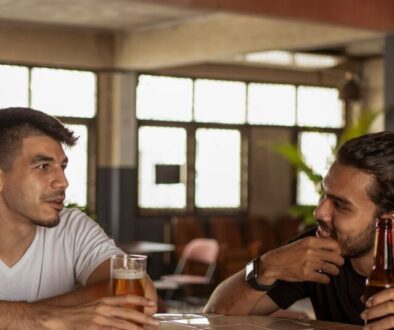
There is a precise moment when you understand what you are looking for when you order a beer. It is not necessarily when you lift the glass toward the light or try to catch the aroma. It comes earlier: in the place you are in, the people beside you, the time of day, the season. The beer comes after that, and often matters less than people assume.
Starting there makes it easier to read three very different examples that help frame how beer pleasure is discussed today. On one side is technology-driven personalisation; on the other, the appeal of seasonal experiences and places that have no interest in being optimised.
Heineken and the strange appeal of personalisation
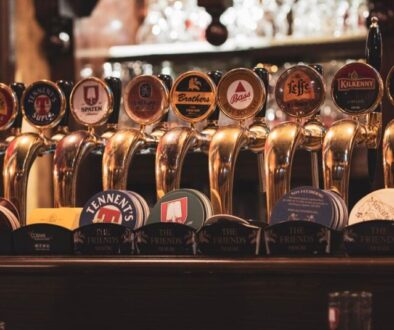
Heineken, the Dutch brewing group and one of the largest in the world, presents Personalised Draught as an AI-based custom draught system offering 135 taste possibilities. The project is framed as a way to broaden beer discovery and make it feel more approachable for people without much technical knowledge of styles and categories. At the same time, it shifts the centre of gravity toward preference collection and automated decision-making.
That is what makes it interesting on a cultural level. Not because it promises a brand-new beer, but because it tries to turn the act of drinking into a sequence of inputs and outputs. In that reading, beer is no longer just something you order; it becomes the variable result of a system designed to adapt to the individual customer. The idea clearly has promotional value, and it is associated with Amsterdam, with a mobile version also used at events.
The issue is not whether the technology is right or wrong. It is that the proposal treats pleasure as something that can be adjusted with enough parameters. Beer, however, remains tied to context, company and timing. That is exactly where personalisation runs into its limits.
Fresh hop season and the value of a short window
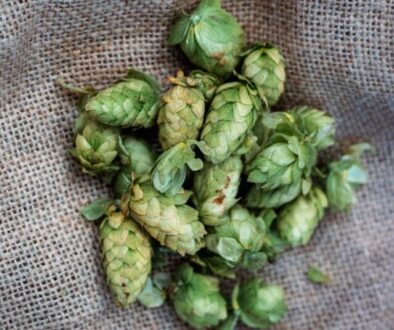
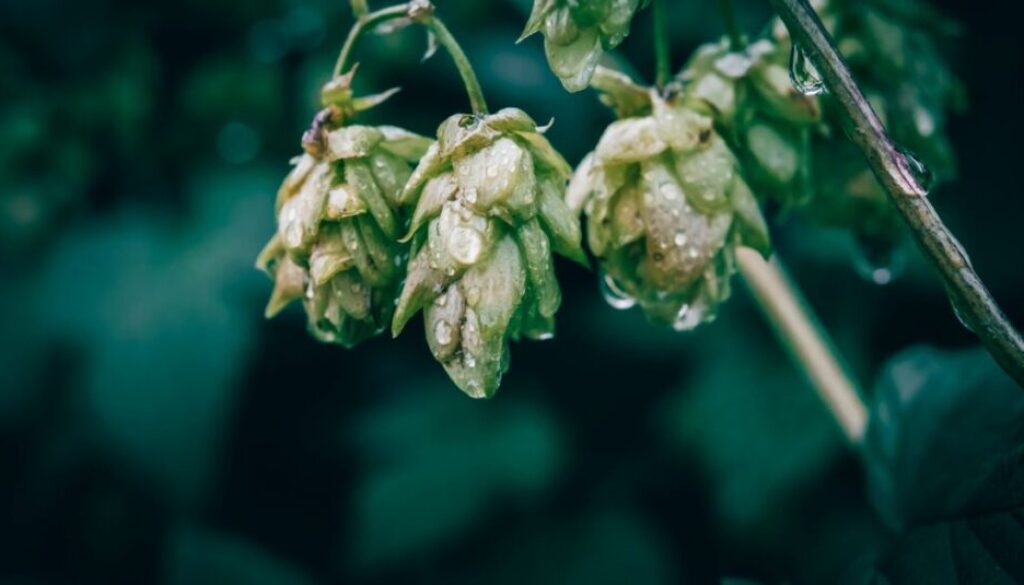
In Oregon, fresh hop season usually begins in late August and peaks in September, when breweries work with hops that have just been harvested and are still fresh from the field. The result is beer that has a short life, often only a few weeks, and carries green, herbal and floral notes that dried hops cannot fully reproduce. They are not necessarily better beers in an absolute sense; they are different beers tied to a precise agricultural moment.
The season follows its own logic. Different hop varieties ripen at slightly different times, and breweries plan releases accordingly. During the peak period, many taprooms in the region devote substantial space to these beers, often across styles ranging from pilsner to IPA. It is a phenomenon deeply rooted in the Pacific Northwest, and one that is harder to transplant elsewhere without losing something essential.
From the outside, what stands out is how differently pleasure works here compared with technological personalisation. Fresh hop season does not adapt to the drinker’s wishes; it asks for attention, timing and a bit of planning. If you want it, you have to arrive at the right moment. In two months, the same beer will be gone.
The dive bar as a sense of place
There is a third level here, less flashy but perhaps more durable: place. Along the Southern California coast there are numerous historic beach dive bars, some operating for more than a century. They tend to have worn interiors, neon signs, mass-market beer on tap and an unpolished simplicity that does not try too hard to please everyone. They are not beer destinations in the contemporary sense, but they still draw loyal crowds.
The reason is probably that these bars offer a sense of continuity that cannot be reduced to an algorithm. People do not go there for a sophisticated tap list or a service model built around personalisation. They go because the bar existed before they arrived, and because the beer ordered there makes sense inside a very specific scene, shaped by habits, shared routines and a certain idea of the California coast.
Placed side by side, these three situations do not tell a story of tradition versus innovation. They suggest something narrower and more useful: that beer value does not always lie in the product alone. Sometimes it comes from choice, sometimes from a narrow seasonal window, and sometimes from the force of context. The lesson is simple enough: in beer, as elsewhere, pleasure is not only in the glass.