Guinness grows, Diageo cuts: beer’s awkward moment inside a spirits giant
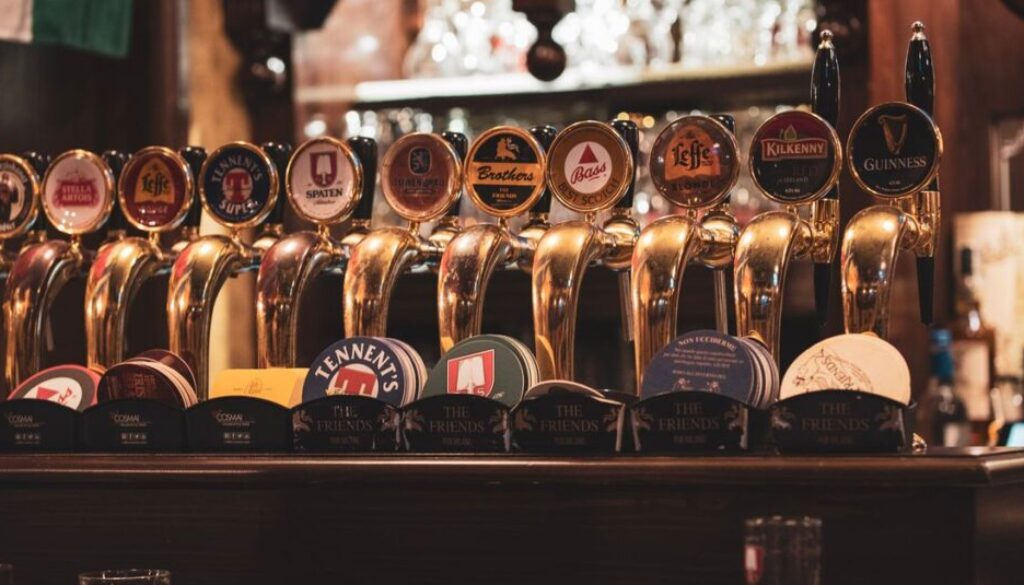
There is something paradoxical about the position Diageo, the international spirits group, finds itself in right now. Guinness, its best-known beer brand, delivered double-digit organic net sales growth in the group’s latest results. But spirits still sit at the core of the business, and when the wider picture softens, the response tends to be familiar: cuts in cost, structure and investment. The effects then spill over into the beer side of the portfolio as well.
That tension says a lot about how large beverage conglomerates react when one part of the business is moving more strongly than the rest without being able to reshape the balance of the whole. Diageo still behaves primarily like a spirits company; that is why Guinness‘s growth does not automatically translate into more room for beer. In a cost-cutting phase, even the brands that are performing well can find themselves inside a broader logic of restraint.
A beer that matters, inside a group built for something else
To understand the moment, it helps to remember that Guinness has always been an unusual case within Diageo. The group built its identity on whisky, vodka, rum and tequila, while beer remained an important but secondary presence. As craft beer reshaped tastes through the 2010s, the Irish stout managed to speak to new drinkers without abandoning what made it recognizable in the first place: less trend, more continuity.
That approach has worked. Guinness has returned to the center of conversations among consumers who are curious about quality and provenance, but its success still sits inside a much larger machine where the spirits business sets the terms. That is why a stronger performance in beer does not necessarily protect beer-related projects when the overall group becomes more cautious.
The closure of the Baltimore brewpub is the clearest example of that dynamic. It was a space designed to give the brand a premium, experiential foothold in the American market; its shutdown shows how quickly priorities can shift inside a large group when the bigger balance sheet comes under pressure.
American craft remains lively, but it is not the whole story
Meanwhile, the American craft beer world continues to move. At the Great American Beer Festival, one of the most important beer competitions in the United States, the 2026 edition drew thousands of entries across more than a hundred categories, with judging that remained highly selective. Oregon and California were among the top medal-winning states, while German styles such as märzen and festbier stood out alongside the ever-present IPAs.
That does not amount to a complete picture of the industry, but it does suggest that American craft still operates on several fronts at once: hop-forward beers remain central, yet more classic and technically exact styles continue to command attention. It is not a single clean trend, but it does show a sector that is still competitive, varied and willing to revisit its own traditions.
The same search for new consumption occasions can also be seen in the non-alcoholic segment. Lawson’s Finest Liquids, the Vermont brewery known for hop-forward IPAs, recently launched Sip’N, a non-alcoholic IPA made with a dedicated fermentation process. The point of that approach is to build aroma and flavour from the start, rather than simply removing alcohol from a finished beer, and to keep the brewery’s style intact in a lower-ABV format.
Taken together, these signals do not prove a single, neat industry trend. What they do suggest is more modest and more useful: beer can still grow, adapt and open new spaces, but inside large diversified groups a successful brand does not always protect the ecosystem around it. That is why the Diageo–Guinness story works best as a case study, not as a sweeping verdict on the beverage industry as a whole.