Pliny the Elder and fresh hops: two ideas of the American IPA
There is a thread running through some recent conversations about American beer: hops. Not as a generic ingredient, but as a precise choice, a brewing approach, a way of shaping aroma. On one side is a beer that helped redefine the American IPA. On the other is the seasonal return of fresh hops, which each year reopens the question of how to use them well.
What Pliny the Elder shifted
In the early 2000s, Vinnie Cilurzo, brewer and co-founder of Russian River Brewing Company, developed the Pliny the Elder recipe. At the time, American IPA was still often built around a heavier balance: obvious sweetness, a fuller body, assertive bitterness. Aroma mattered, but it was not always the main event. Pliny helped move that balance in a different direction.
Its technical idea was straightforward only in hindsight: a double dry-hop approach designed to give more weight to aroma and flavor, plus a recipe made drier and lighter through the use of sugar. The result was a beer that felt less heavy and more sharply defined, helping shift attention from bitterness alone toward aromatic detail. Today that may sound familiar, but it was not a given at the time.
The DDH label, now common on cans and tap lists, came later. But the logic behind it was already visible in that beer. For years, distribution also remained relatively limited, especially on the West Coast, which helped build a reputation shaped as much by scarcity as by taste. Now that West Coast IPA has returned to a more visible place in beer conversations, Pliny the Elder is being read again as a reference point that still carries weight, not just as a historical milestone.
Fresh hops and the risk of becoming a backdrop
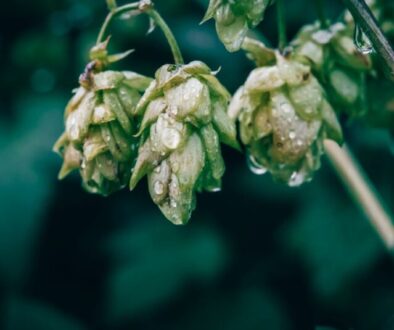
Every year, when harvest season begins, fresh hops come back into focus, especially in the Pacific Northwest and other American growing regions. Fresh hop beers are brewed with fresh, undried hops used soon after harvest. When they work, they deliver an easy-to-recognize profile: green, herbal, almost vegetal notes that often feel brighter and more immediate than those from processed hops.
The interesting point, though, is something else: fresh hops are increasingly being placed inside beers that are already heavily hopped, almost as an accent layered onto an already complex base. That can make technical sense, but it sometimes blurs the very quality that makes fresh hops distinctive in the first place. Instead of standing out, the fresh addition can end up as one nuance among many.
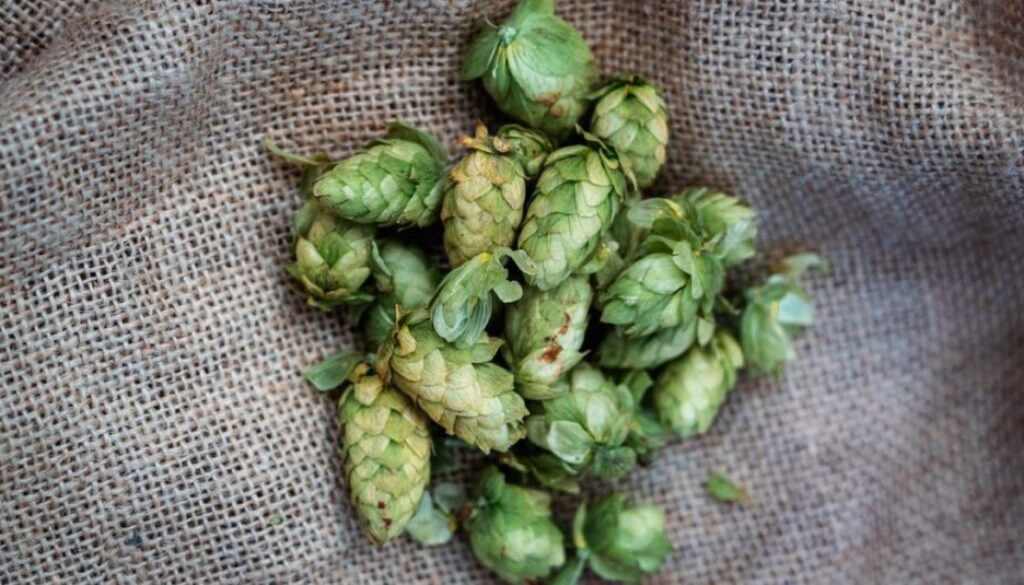
There are practical reasons behind that shift. Fresh hops are expensive in part because they contain a lot of water and are less concentrated than dried hops. Brewers are also more and more used to building with blends of hop varieties, formats and additions at different stages of the process. Bringing that logic to fresh hops can work, but it does not always highlight what the raw material does best when given space.
Process matters too. A whirlpool addition can show fresh-hop character more clearly than a cold dry hop, though that is not an absolute rule. Early-season beers often arrive through faster, colder-side approaches, while those looking for the brightest, greenest expression of fresh hops may find more interesting interpretations later in the season.
Among the local names worth noting is Little Beast Brewing, an Oregon brewery, with a beer such as Frieda, which tries to keep the fresh-hop character readable even inside a layered profile. That is a delicate balance, which is exactly why it deserves attention.
Taken together, Pliny the Elder and the fresh-hop debate do not prove a total or uniform transformation of American IPA. They do, however, help read a more grounded tendency: when it comes to hops, the question is not only how much is used, but what role it is meant to play. Protagonist or background. Distinctive signal or one part of the mix. That is still where a good deal of IPA language in the United States is being decided.