Hops and industrial pressure: two signals for reading a difficult year
Beer starts with living raw materials, grown in specific places and shaped by seasons, rain and heat. It also depends on economic and regulatory conditions that can make production easier, or more fragile, at scale. Two recent episodes, one in Oregon and one in Bavaria, help read those pressures without pushing the argument beyond what is actually supported.
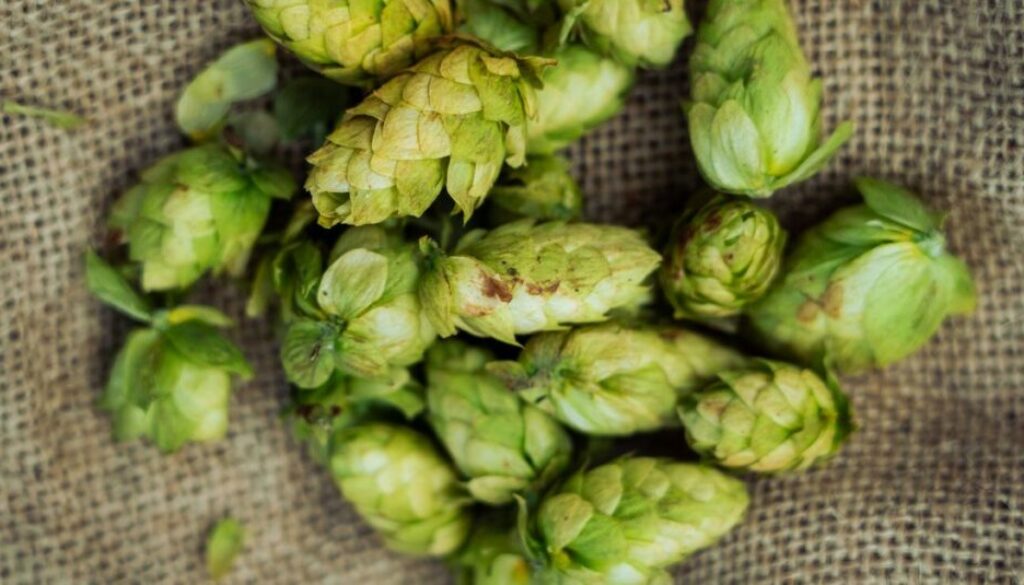
Earlier this spring, in Oregon’s Willamette Valley, an unusually warm May sped up hop growth and left less room for fieldwork. The reaction was quick, but growers in the area offered a more measured view: an early season makes management harder, yet it does not automatically mean a damaged crop.
The real point is not alarm, but how carefully the season has to be read. When several varieties move into their most delicate growth stages at the same time, timing gets tighter and agronomic decisions matter more. Still, the final outcome remains open: it depends on what happens in the field and on the rest of the season, not on a single weather event.
A more serious concern would be a prolonged summer heatwave, which can put pressure on heat-sensitive varieties and affect yield and quality. That distinction matters because it shifts the story away from drama and toward the practical reality of a supply chain that works on long timelines and has to balance many variables at once.
The issue also matters for breweries watching beyond their own local markets. Highly sought-after craft varieties such as Citra, Simcoe and Strata are strongly associated with the U.S. Pacific Northwest, especially Oregon and Washington. If their availability or quality were to shift significantly, breweries that build part of their aromatic identity around them would feel it quickly. For now, though, the picture remains cautious rather than alarming.
A Bavarian visit and the weight of costs
A few weeks later, in a very different setting, another episode showed how exposed the brewing sector remains to outside pressures. Alois Rainer, Germany’s federal minister for agriculture, food and rural affairs, visited Kulmbacher Brauerei, one of Bavaria’s best-known brewing groups, to meet industry representatives and discuss the economic conditions facing the sector.
Among the topics raised were energy costs and other fiscal and regulatory conditions that continue to weigh on businesses. That is hardly new for German beer, but the fact that these issues were brought directly to a minister inside a production site says a great deal about the tension the industry is navigating. The Deutscher Brauer-Bund, the German Brewers’ Association, reiterated the need for a policy framework that supports competitiveness and long-term innovation.
German beer has been going through years of structural change: declining domestic consumption, margin pressure and stronger competitive pressure on producers. In that environment, every additional burden, whether energy-related, fiscal or regulatory, can matter more than expected, especially for medium-sized and smaller breweries. A ministerial visit does not change that dynamic on its own, but it makes it visible in a very concrete way.
Placed side by side, the two cases do not amount to a universal law about beer. They point instead to two different kinds of vulnerability that the sector keeps negotiating: on one side climate, which shapes raw materials at the source; on the other the economic and industrial environment, which determines how sustainable it is to turn those materials into beer and bring them to market. That is where the current moment in beer becomes easiest to read.