Harvest as an experience: wine tourism in Italy is taking a new shape
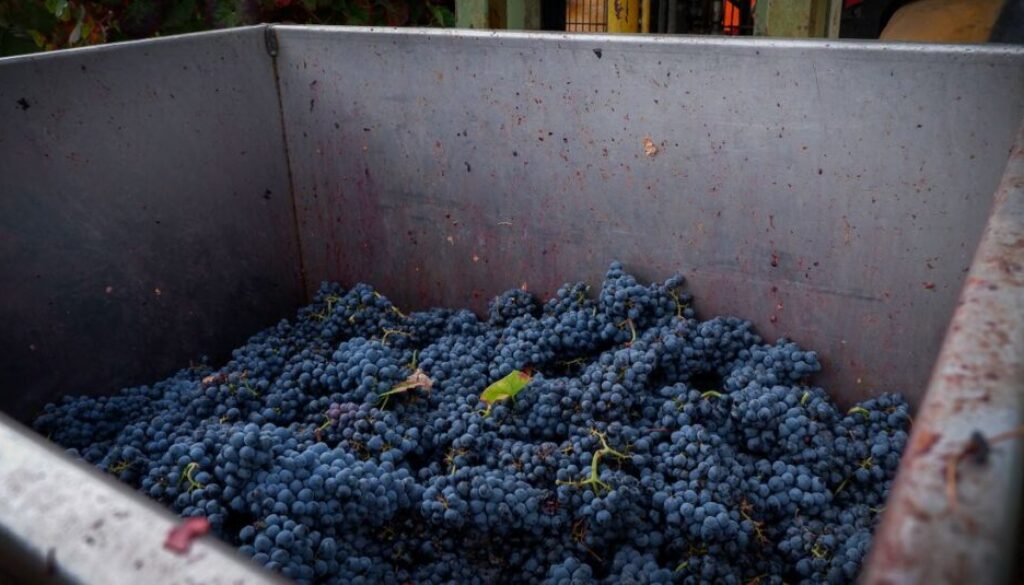
Harvest has never been just a production step. It is also one of the moments when vineyard work becomes easier to read from the outside: you see the pace of picking, the winery comes alive, and wine stops looking like a finished object and reveals itself as a process.
In Italy, that dimension is now increasingly visible in wine tourism as well. Movimento Turismo del Vino, the association that brings together many wineries open to visitors, has brought forward the 2026 edition of Cantine Aperte in Vendemmia, which will run from August 24 to October 25. The dates were moved to capture the harvest window, which in many Italian areas is arriving earlier, and to stay aligned with the period when wineries are truly in full working mode.
That long calendar is not a minor detail. Between late summer and early autumn, Italy concentrates a large share of international tourist flows, and harvest becomes a particularly appealing moment for visitors looking for place-based experiences. For winery guests, this is not just about tasting wine: it is about seeing the supply chain in motion, entering spaces normally reserved for work and meeting the people who follow the decisions in the vineyard and cellar. Ceseo, the wine and olive oil tourism research centre at Lumsa University, estimates that foreign visitors account for between 35% and 40% of winery visits in Italy, with a stronger presence in central regions and lower shares in some parts of the north.
Many harvests, many ways to host
Looking at the offers wineries are putting together, one thing becomes clear: there is no single model for harvest tourism. Across Italy, the formats are very different. In Piedmont they may include grape-treading and pairings with local food; in Tuscany they often take the form of vineyard picnics, family activities and sessions designed for children; in the south, harvest is more often framed as a collective celebration, with music and shared tables. Elsewhere, especially where wine tourism is more established, more intimate formats are appearing: dinners in the vineyard, tastings of less common vintages and direct meetings with the winemaker.
That variety matters more than it might first appear. It is not just a question of style, but a reflection of businesses that differ in size, landscape, cuisine and history. Turning all of this into a single experiential package would be risky, because it would flatten what makes each place recognisable. For now, at least, the sector seems to be moving in the opposite direction.
Sleeping among the vines, reading wine through hospitality
Alongside winery visits, new formats are emerging that shift the centre of gravity of the experience. Vinova, a Piedmont-based startup, has launched an experiential wine-hospitality project starting in the Gavi area. The idea is to bring the stay into the agricultural landscape without distorting it, and to turn the vineyard into a place to linger in, not just pass through.
It fits within an outdoor and experiential hospitality segment that industry observers describe as still growing. In wine, that means trying to combine landscape, overnight stays and storytelling in a format that feels less episodic and more immersive. It is not about replacing the classic visit, but about adding a different kind of offer, one that extends the time spent with the wine.
The hotel world is also beginning to interpret wine in a more structured way. In Alto Adige, where harvest often starts earlier than in other parts of Italy, some hotels are curating their relationship with local producers and regional labels more deliberately. The Hotel Sonnalp, in Obereggen, shows how a hospitality business can become a bridge between curious guests and small independent growers, especially when the selection goes beyond a standard wine list and reflects a specific territory and its less widely distributed names.
Taken together, these signals do not amount to a revolution in Italian wine tourism. They do, however, point to a gradual shift: harvest and wine are taking on greater weight as hospitality content, not just as subjects for tasting. And harvest, with its increasingly flexible calendar, may be the clearest place to watch that change take shape.