From Pornstar Martini to Refajo: the appeal of simplicity in the glass
There is a recognizable thread running through some of the more interesting conversations around today’s cocktail scene: the pleasure of drinking something that does not need much explaining. Not a drink designed to impress with technique, but one that works because it lands quickly, through taste, memory or a very clear sense of purpose.
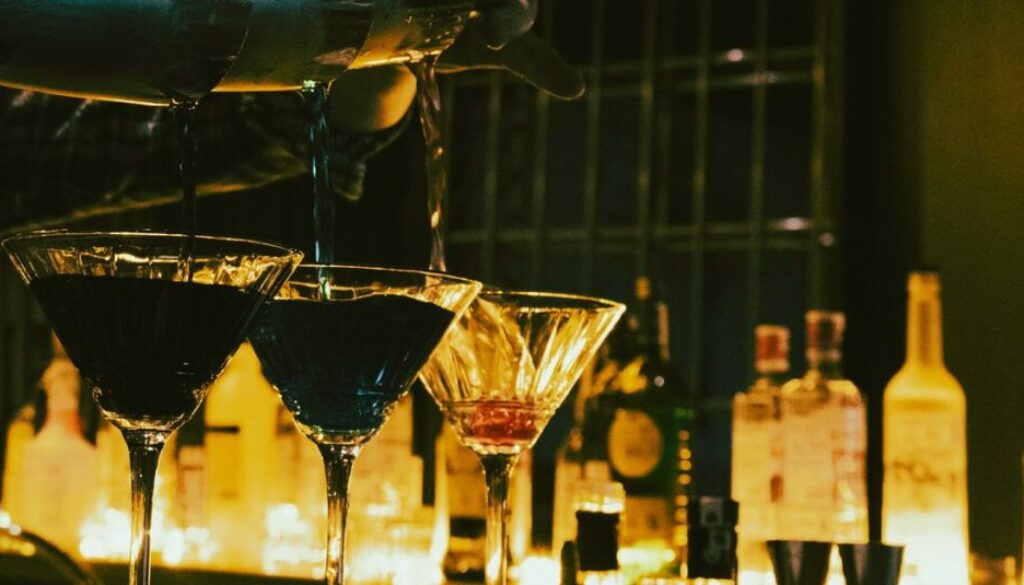
That is part of the renewed attention around the so-called “tinis”, a family of mostly vodka-based cocktails born between the 1980s and the early 2000s, usually fruity and colorful, long treated as lighter than serious mixology liked to admit. Among the best-known examples is the Espresso Martini, widely credited to the British bartender Dick Bradsell in 1980s London. Its comeback has also brought back attention to other drinks from the same family, including the Pornstar Martini, Lychee Martini, Appletini and French Martini, which some contemporary bars are now revisiting with a less judgmental, more curious eye.
This is not only about nostalgia. Part of the appeal lies in how immediate these drinks are without being simplistic, and in how they allow bartenders to work with familiar formats without stripping away their character. An Appletini can be pushed toward a cleaner profile, a Lychee Martini can gain more depth, a Pornstar Martini can shift style without losing its direct language. The point is not to elevate something once dismissed for the sake of it, but to understand why it still resonates with drinkers now.
Simplicity is not the same as thinness
On a different level, but with a similar logic, sits the Refajo, a Colombian mix of light beer and Colombiana, a sweet and fizzy soft drink common in the country. It is an unfussy drink, rooted in everyday consumption, easy to share and well suited to informal moments such as long lunches, barbecues or outdoor gatherings. Its strength is not in construction, but in social function.
What is interesting is that Refajo has not remained only a domestic reference. Bar Carmen, a Medellín bar that entered The World’s 50 Best Bars ranking, has offered a more contemporary reading of the drink, working with local craft beers and tropical fruit. The aim is not to turn it into something else, but to shift its register carefully, without losing the connection to the original serve. The result is a version that remains immediate and shareable, while gaining a different layer of flavor in the glass.
Refajo also exists in ready-to-drink form in Colombia, for example under the name Cola y Pola. Here too, what matters is not the format’s novelty, but its coherence: some drinks endure and change shape precisely because they answer a very simple need — to feel familiar, practical and recognizable.
Two cases, not a universal rule
Placed side by side, the return of the “tinis” and the trajectory of Refajo suggest something worth noticing, but not a general law. In certain settings, some drinks are being reappraised despite — or perhaps because of — their simple structure and pop image. They do not need to prove their worth through technical complexity: they find it in the memory they trigger, in how quickly they connect with the person drinking them, and in the sense that they belong to a very specific occasion.
That is best read as an editorial snapshot of the moment. On some bar menus, simplicity no longer looks like a shortcut or a concession to easy taste, but as a deliberate choice. And the appeal of certain drinks, old or reworked, is a reminder that clarity can be a form of authority in the glass just as much as complexity can.
Perhaps that is the most interesting meeting point: some cocktails do not ask to be justified, only understood in context. And when that happens, the pleasure of drinking them needs nothing else to hold itself together.