Water, aperitivo and smart dispensers: two signals for the non-alcoholic segment
The non-alcoholic segment was already clearly gaining visibility. What remained less visible was how that shift was showing up in everyday behaviour, between home delivery orders and innovation in foodservice. Two recent cases, one from the German market and one from North American retail technology, offer a more precise way to read the moment.
The first comes from Flink, a rapid delivery service operating in Germany and the Netherlands, which reviewed its summer 2025 order data. The most immediate finding is straightforward: the most-ordered product across the entire summer, ahead of beer, cola and Radler, was water. That is not an especially surprising result on its own, but it becomes more interesting in the context of fast, impulse-driven ordering. June marked the absolute peak for water orders, suggesting that when temperatures rise, the most common choice remains the most basic one.
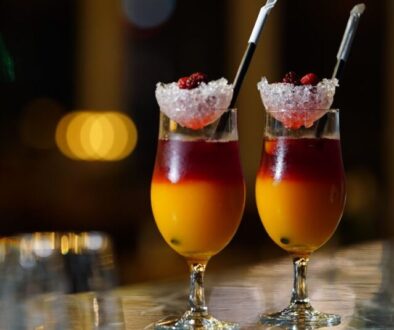
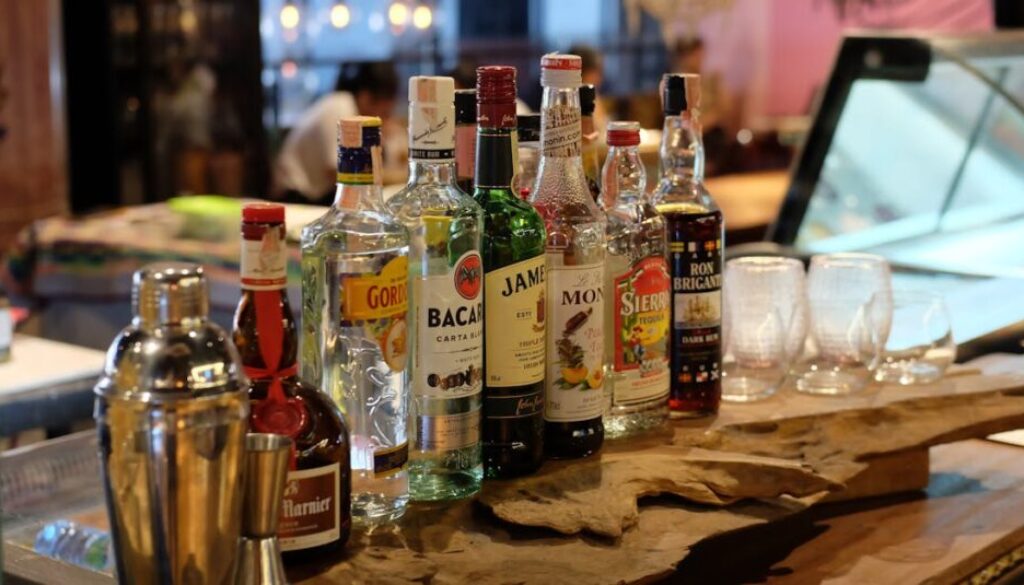
The same dataset points to something else as well. Aperitif-style drinks based on Aperol and Campari rose sharply compared with the winter months, with Berlin leading the country in volume. The German capital stands out as the place where the home aperitivo ritual is most established: tonic water, Radler, gin and tonic and rosé wine all appear regularly in the summer basket. Radler, the familiar beer-and-lemonade mix widely consumed in German-speaking markets, even overtook straight beer orders during the summer period, pointing to a preference for lighter, hybrid formats.
The dispenser as a space for experimentation
On another front, the industry is trying to answer the same appetite for personalisation with more advanced tools. At the National Restaurant Association Show in Chicago in May 2026, Coca-Cola presented updates to its Freestyle platform, the digital dispensing system already installed in many U.S. outlets.
Among the updates was a refreshed interface designed to give greater visibility to seasonal flavours and limited-time offers. The aim is to make discovery easier and the choice more fluid in a setting where the dispenser is no longer just a point of service, but also a display for consumer choice.
More broadly, the direction is clear: to use data gathered through the system to shorten the path from idea to market test and to identify emerging tastes more quickly. Coca-Cola also pointed to examples of variants that were developed and launched quickly in selected fast-food chains, underlining a more experimental approach. The point, though, is not speed for its own sake. It is the ability to test a flavour, adapt it and see whether it works before the market shifts again.
Read together, the two signals do not describe a completed revolution. They suggest a change in posture: in non-alcoholic drinks, deliberate choices are becoming more important, both in home delivery and at the counter. On one side, water and lighter formats; on the other, dispensing systems trying to move beyond standardisation. That is the space in which this segment appears to be finding renewed momentum.