Plant milk, functional shots and protein soda: three signs of a more autonomous non-alcoholic space
For a long time, part of the non-alcoholic beverage world built its identity through subtraction: no alcohol, no sugar, no lactose, no whatever the traditional version contained. Today, in some segments, a different approach seems to be emerging: not just avoiding something, but offering a recognisable form of added value, whether through taste, function or supply chain.
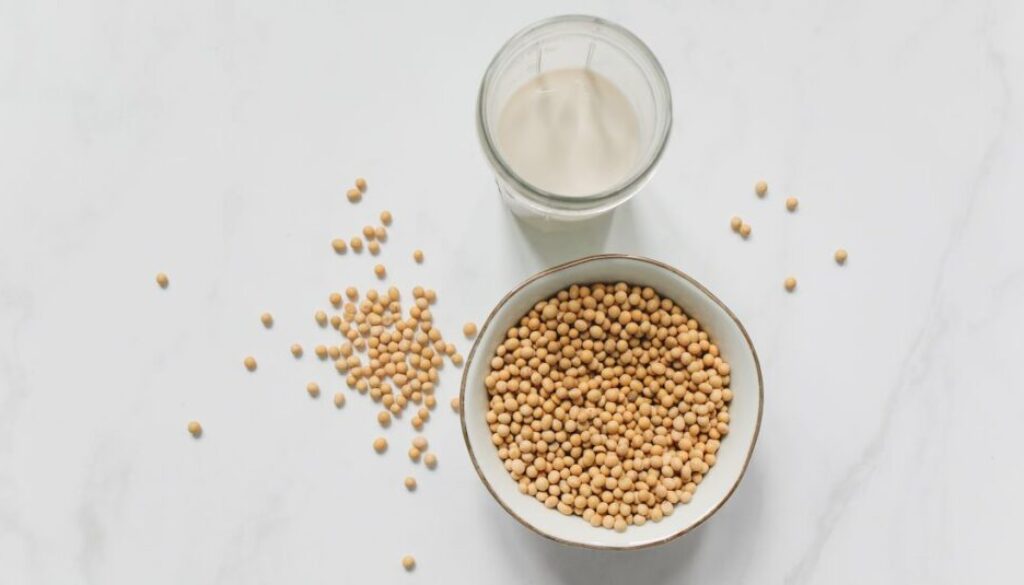
The clearest example is plant milk, a category that in some developed markets appears to have entered a more mature phase, with volume growth now in the low single digits. In that setting, differentiation matters more than simple category membership. Oat milk, soy milk, pea- or fava bean-based variants: each product competes on taste, texture, nutritional profile and performance in coffee. The question is no longer only whether to replace dairy, but which alternative fits which occasion.
Within that shift, attention to protein content and ingredient lists is becoming more visible. Many plant-milk buyers are not exclusively vegan or lactose intolerant; they alternate between dairy and plant-based milk depending on the occasion. It is a cautious but useful way to understand why producers are leaning more heavily on concrete attributes rather than on a generic health promise. Less common formats, such as macadamia, pistachio or banana milk, remain niche, but they show how much room there still is for experimentation. At the same time, resistance to emulsifiers, added vegetable oils or overly long ingredient lists is growing: clean label here feels less like a marketing slogan and more like an expectation.
From wellness to everyday use
A similar logic, though in a different format, can be seen in functional non-alcoholic shots. In Germany, Voelkel, a long-established organic and Demeter producer from Lower Saxony, holds a leading position in the category, with a share above one-third in organised retail. The category recorded very strong growth in Q1 2026 versus the previous year, which underlines the momentum of a segment that sits somewhere between wellness and everyday consumption.
What is especially interesting in Voelkel’s case is the way the brand is building visibility. Its communication is moving beyond the usual boundaries of organic labels, with national campaigns and promotional activity across trade, transport and sports channels. This is not just about pushing a functional product, but about giving it a readable story: ginger supply chains grown in agroforestry, and long-term sourcing relationships with smallholder cooperatives. It is one example of how function alone is no longer always enough to set a brand apart.
That shift — from function to supply chain, from ingredient to territory — is one of the more interesting movements in the non-alcoholic space right now. It is not yet a systemic change, but it does suggest that stronger products are increasingly being built around context as much as around claims.
When protein enters soda
A third signal comes from the United States, where the soda market is experimenting with protein in ways that feel less expected than the usual sports-drink territory. PRODA, a Los Angeles-based brand, offers a carbonated soda made with clear whey isolate and no sugar, positioned as a more accessible way to consume protein in everyday life. The arrival of Justin Timberlake and Jessica Biel as co-founders has given the brand greater visibility as it seeks broader distribution.
Cases like this should be read with caution. Celebrity involvement can accelerate awareness, but it does not guarantee that a brand becomes a stable habit. The US functional soda market has already seen more than one promising trajectory lose momentum. Even so, the direction is familiar: consumers are increasingly looking for drinks that do more than avoid something. They want something that adds value. Protein, fibre, botanicals, cleaner labels: the tools differ by segment, but the underlying idea is similar.
Read together, these three examples do not amount to a revolution in non-alcoholic drinks. They do, however, point to a real shift in some parts of the category: products are starting to define themselves less by absence and more by what they bring to the table. It is a subtle change, but in beverages, subtle changes often tell the most interesting stories.