Traditional spirits slow down, RTDs move ahead
One shift is becoming increasingly visible across the spirits landscape: traditional distilled categories are losing momentum, while spirits-based ready-to-drink products keep gaining ground. It is less a clean break than a sign that consumption occasions are changing, and that the category is now moving at more than one speed.
In Germany, according to BSI, the main spirits industry association, demand for spirits fell by more than 10% over the three years to 2025. The pressure comes from several directions at once: economic uncertainty, rising costs, tighter regulation and a more selective consumer. The result is a market environment that feels less expansive, with retail volumes still under strain.
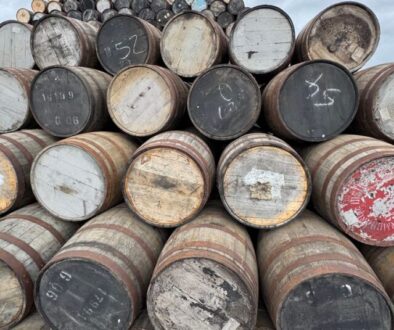
A concrete sign of that caution came from Brown-Forman, the US spirits group best known for Jack Daniel’s, which paused production at Slane Irish Whiskey, a distillery in County Meath, Ireland. The company said the move was designed to align production with market conditions and noted that its maturing stock should ensure continuity for the foreseeable future. The pause is temporary, but it also points to a sector that is recalibrating its pace.
Where the volume is moving
If traditional spirits are under pressure, the RTD segment is telling a different story. In the United States, overall spirits sales declined in 2025, while spirits-based RTDs grew 14% in volume. In several international markets tracked by IWSR, RTDs were the only major alcohol category to grow by volume. That does not tell the whole story of the sector, but it does show where part of consumer attention is shifting.
The change is not only quantitative. The RTD, Pre-Mixed & Hard Seltzer Masters 2026, held in London by The Spirits Business, highlighted a stronger qualitative tier in the category, with products praised for balance, aromatic impact and complexity. A Cognac-brandy-based RTD took the overall title, suggesting that some drinks are moving beyond the old image of simple, low-ambition convenience.
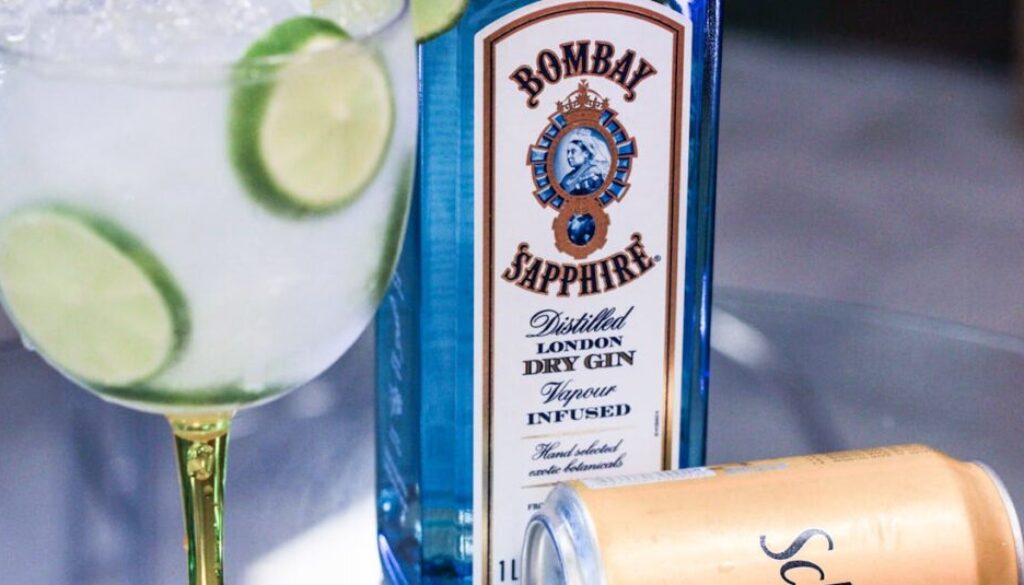
Among the entries, the range of base spirits was broad — gin, tequila, rum, vodka, brandy and whisky — but the more interesting point is how far some RTDs have come in delivering a more complete drinking experience in a can or ready-made format. Compared with the earliest versions of the category, the difference in ambition is hard to miss.
A market changing access, not just product
The most useful reading is not one of a showdown between old and new. It is more realistic to see a market redefining its points of access. Consumers who are drinking less, or choosing more carefully, do not disappear: they often look for more immediate formats, less ritualised occasions and easier options to fit into everyday life. RTDs fit that demand for convenience, without fully replacing traditional spirits.
At the same time, RTD growth should not automatically be read as a direct hit to major spirits houses. In many cases, the best-positioned players are the larger groups themselves, using RTDs as an extension of the range rather than a pure substitute for bottled spirits. What changes is the moment of consumption, the entry point and, with it, the kind of relationship consumers build with a brand.
For the industry, the hardest task is balancing a more cautious demand for classic spirits without weakening brand value, while investing in a format that is still growing but now asks for more precision than before. In other words, RTDs remain an expansion area — but the real dividing line is no longer just convenience. It is whether the drink tastes convincing and well built.