Mineral water, territory and sponsorship: three brand stories from Germany
In beverage, mineral water is often treated as a quiet category: essential, hard to narrate, and rarely given editorial space beyond sales figures. Yet three recent German cases show how some brands are using music and football to give themselves a more distinct profile. The goal is not just visibility. It is about attaching the product to a place, an audience and a sense of belonging.
The most unusual example involves Aqua Römer Quelle, a spring from the Mainhardter Wald area in Baden-Württemberg, which has become the official partner of Vanessa Mai’s autumn 2026 tour. The singer, who is from Backnang in Swabia, will not simply have her name associated with the brand. According to the company, the water will be part of the show itself, with Vanessa Mai drinking it visibly on stage in front of the audience. It is a small gesture, but one that moves sponsorship into the live experience rather than leaving it at the edge of the performance.
What matters here is less the announcement than the way the partnership is framed. Aqua Römer Quelle is trying to strengthen the brand’s emotional appeal by leveraging its shared Swabian roots with Vanessa Mai. In a category where the distance between brands can feel very small, shared provenance becomes a useful narrative device: not decorative, but central to how the partnership makes sense.
Football as a language of proximity
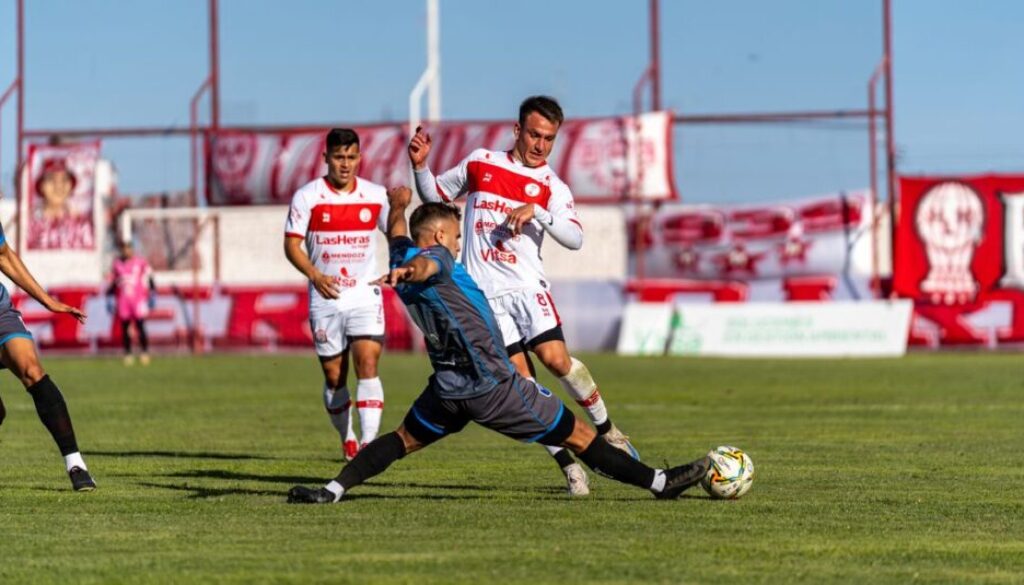
A similar logic, though with a different tone, appears in the case of EiszeitQuell, a brand produced by Romina Mineralbrunnen GmbH at the foot of the Swabian Alb. From the 2026/27 season, it becomes 1. FC Heidenheim 1846’s exclusive mineral-water partner in an initial three-year deal. Here too, the company stresses a match between values: the club is presented as a reflection of the brand, and the brand as a natural extension of its home region.
The water’s own story supports that positioning. EiszeitQuell presents its water as originating in the Ice Age, sealed deep underground and protected from outside influences for thousands of years. It is a story of origin and continuity that sits neatly beside a club associated with work ethic, consistency and local groundedness. The comparison does not need to be pushed too far; the fit is enough.
Rosbacher, a long-established brand from the Wetterau region and distributed by Hassia Mineralquellen, takes a more consumer-facing route. Its partnership with Eintracht Frankfurt includes fan promotions and retail and digital activations, with the brand also appearing in the matchday experience. The format is familiar — buy the product, take part, unlock club-related prizes or content — but the interesting part is the attempt to move the brand from a passive sponsorship to a visible part of the football ritual.
When place becomes brand language
These three examples do not amount to a sector-wide shift, and they do not prove that mineral water branding is being transformed across the board. They do, however, show how a few regional brands are using sponsorship to give local origin more practical value: not just telling consumers where the water comes from, but turning that provenance into a brand language.
In that sense, territory is not just a backdrop. Swabia, Hesse and the Alb area become identity markers, reinforced by partners that share a similar cultural or sporting code. For brands with strong local roots, that can be an effective way to move beyond a purely functional message and offer consumers another reason to choose one bottle over another.
Mineral water has long linked itself to sport and wellbeing. What feels notable here is the care with which these relationships are being built: less slogan, more coherence between place, partner and product. That may be the real story — and it is one that shows how even a seemingly simple category can work quite intelligently on its identity.