Energy drinks: when function starts to look like a lifestyle
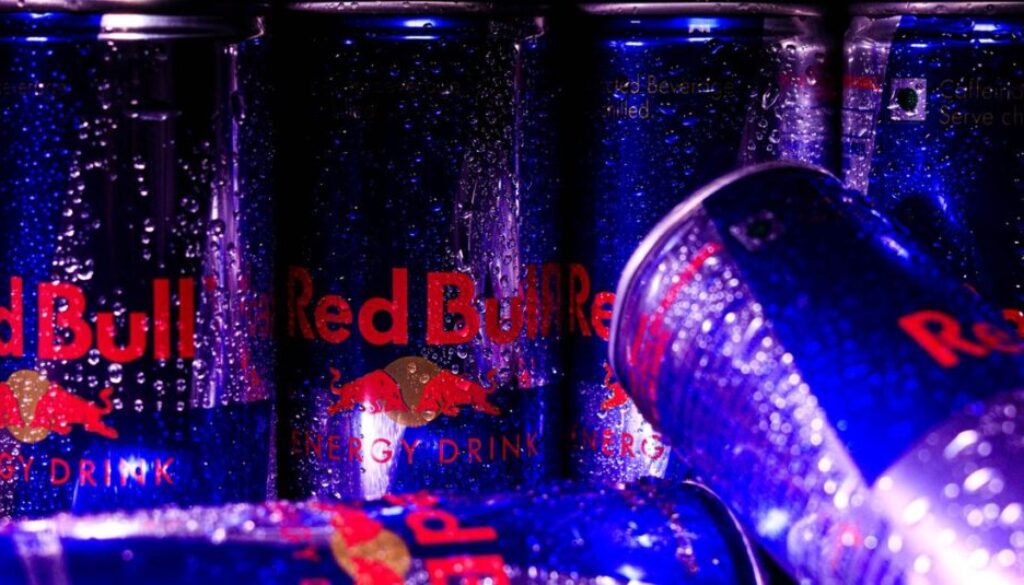
For years, the energy drink market answered a very simple need: deliver a fast boost when it was needed. That model has not gone away, but it has become more layered. In some recent category data and in a few product launches, a direction is visible: energy drinks are no longer read only as emergency fixes, but as products that can be folded into everyday routines, with a vocabulary that mixes functionality, wellness and personal style.
In the U.S. market in particular, energy drinks continue to grow while the shot format is losing ground. That matters because it says something not just about the product itself, but about how consumers want to use it. According to some analysts, the fuller, more visible format seems better suited to a daily logic — less about a last-minute rescue and more about habit. In other words, a quick jolt is no longer always enough; the product also needs to fit a broader rhythm.
More benefits, fewer trade-offs
Within that shift, better-for-you language has become central. More attentive shoppers are often looking for more than a caffeine hit: they want drinks with little or no sugar, with hydration or focus-support cues, and with ingredients that read as cleaner or more natural. In that context, even the source of caffeine matters. Caffeine from green tea or yerba mate, for example, is often perceived differently from synthetic caffeine and can influence purchase decisions.
Another layer of the picture is sober curiosity — the tendency to reduce or avoid alcohol without giving up social moments or a drink with personality. Here, energy drinks are finding an unexpected but plausible space, at least for certain occasions. Liquid I.V., the U.S. brand known for electrolyte-based powder drinks, has launched Energy Multiplier Sugar-Free Lime Margarita, a mocktail-inspired product with natural caffeine and a hydration-led positioning. It does not replace alcohol in any strict sense, but it fits neatly into the space between a functional soft drink and an alcohol-free aperitif-hour option.
Premium shifts toward value
The meaning of premium in the category is changing too. For a long time, it was tied to bold packaging, loud messaging and links to athletes or pop icons. Today, the centre of gravity seems to be moving elsewhere: perceived ingredient quality, clearer communication and a better fit between what the brand says and what the consumer wants to recognise in the product. It is a less flashy version of premium, but often a more convincing one.
Flavour is moving in a similarly readable direction. Nostalgia works: familiar tastes, fruit-led profiles, cleaner formulations, no added sugar. This is not only about immediate pleasure; it is also a way to draw in consumers who still approach the category with caution because of its long association with artificial formulas and nutritionally uneasy reputations.
A similar signal comes from the premium kombucha space. Spraga, a kombucha brand, has begun distribution through ARAL and bft service stations in the Rhine-Ruhr region. The move is interesting less for the number itself than for the channel: a fermented drink positioned as premium entering convenience retail suggests an expansion beyond specialist shelves. It is not proof of a definitive market transformation, but it is a useful sign of how certain drinks are looking for new consumption settings.
In the end, the common thread is straightforward enough: in the non-alcoholic space, drinks increasingly need a reason to exist beyond thirst. Not necessarily medical or therapeutic products, but beverages that promise something extra in terms of ritual, self-care and occasion. For brands, the challenge is to make that promise feel credible without overplaying it. When they succeed, the category stops looking like a single shelf and starts to resemble a consumer language.