When alcohol-free drinks go after character: two launches built around flavour
In the non-alcoholic drinks space, a clear pattern is starting to emerge: rather than simply standing in for alcohol, some products are trying to build a distinct identity of their own, based on sharp, unexpected and sometimes deliberately divisive flavours. It is better read as a set of signals than as proof of a fully formed market shift.
Two recent launches make that easier to see. On one side, PepsiCo, the international drinks and consumer goods group, has introduced a line of energy mocktails in Germany. On the other, Three Cents, an Athens-based premium mixer brand with UK distribution, has brought out a pickle-flavoured soda. Scale, audience and drinking occasion are very different, but both products place flavour at the centre of the proposition.
Energy mocktails and social occasions
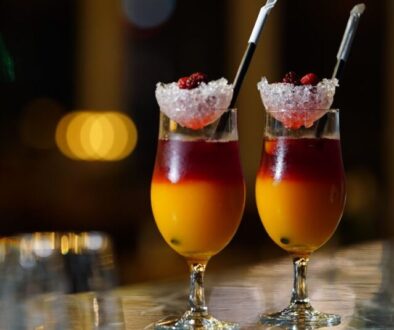
PepsiCo has launched Rockstar Energy Mocktails in Germany, treating the market as a key starting point for the new range. The line includes Mojito, Piña Colada and Berry Spritz. The German launch sits against a specific local signal: a YouGov survey commissioned by the German fruit juice industry association found that more than 70% of 16-to-25-year-olds in Germany have already tried a mocktail. The number is limited to one market and one age group, but it helps explain why this kind of product can find an audience there.
What matters here is not only the flavour combination, but the way the product is framed. It is presented as something for different social occasions, from pre-night-out moments to daytime settings, rather than as a simple alcohol-free alternative. The cans also move away from the classic energy drink look, leaning into a more lifestyle-driven visual language. The underlying idea is straightforward: the drink should feel like a choice with presence, not a compromise.
For the category, that is a meaningful signal. Not because it proves the market is transforming all at once, but because it shows that large players are beginning to treat no-alcohol as a space for proper product design rather than an afterthought.
Pickle soda and the savoury edge
Three Cents takes the opposite route. Its Pickle Soda taps into a trend toward more savoury, umami-leaning flavour profiles, bringing briny, vinegary and salty notes together with vegetal hints such as cucumber and celery. It is not a drink designed for broad appeal, and it does not try to hide that.
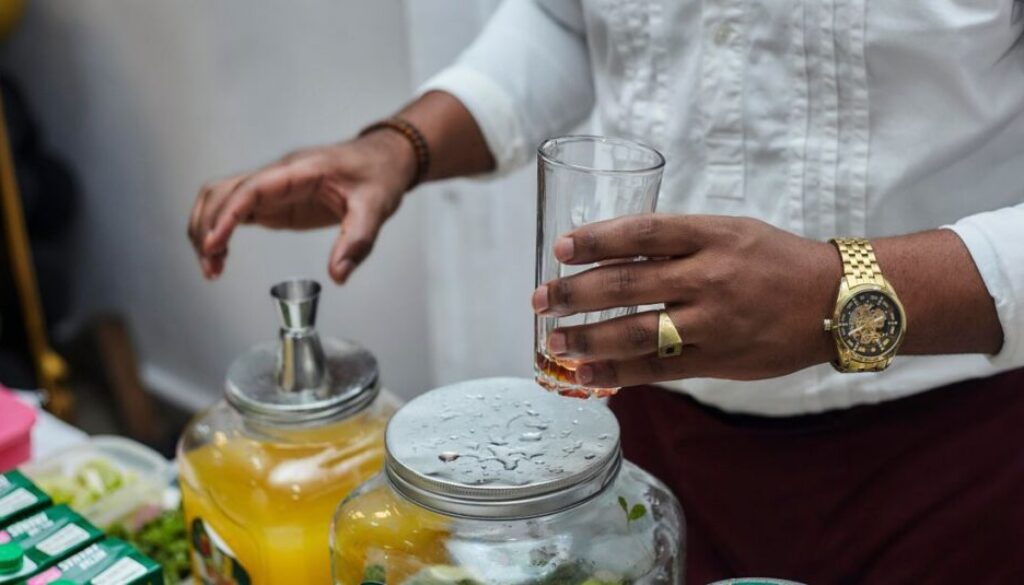
The target is premium venues and bartenders: people who see complexity as the appeal, not the obstacle. The soda can sit alongside spirits such as vodka, gin or whisky, but it can also be served on its own for drinkers who want a non-alcoholic option with a clearly defined flavour. The brand’s suggested serves point in the same direction, from a vodka highball with a spicy edge to a long drink that nods to the pickleback format. These are not neutral serves; they are cues that the product is meant to be noticed.
This will probably remain a niche. Still, it is a notable one, because it stretches the definition of what a non-alcoholic drink can be: not just a substitute, not just a lighter option, but a product with its own tasting logic.
What links these two very different launches is a shared premise: flavour has to do the heavy lifting. Not health messaging, not absence, but the presence of something worth tasting. It is too early to call this a structural market change. Even so, the direction is visible, and it suggests that the most interesting action in non-alcoholic drinks may be happening where taste becomes the main selling point.