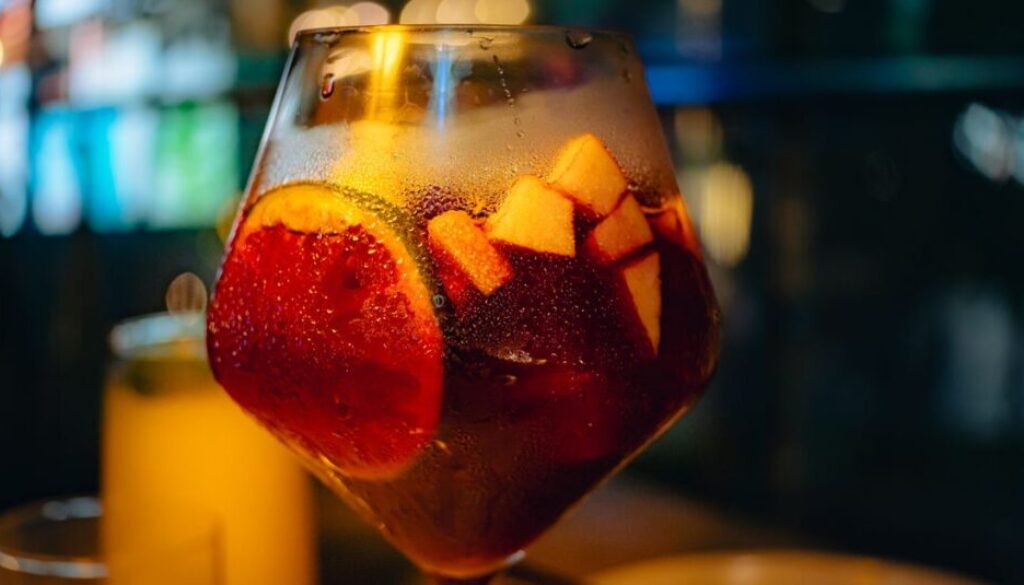
Summer wine is getting lighter: chilled reds, rosé and new drinking rhythms
In summer, serving some red wines slightly chilled is finding room in specific settings: restaurants attentive to service, producers focused on drinkability, and consumers looking for wines that feel more immediate. This is not a wholesale shift in wine culture, nor a uniform change. It is a small but telling sign that warmer weather pushes many drinkers toward styles that feel lighter, more flexible and easier to enjoy.
The starting point is simple, but often overlooked. For reds, the traditional idea of “room temperature” does not mean the heat of a modern summer dining room; it refers more closely to cellar temperature. Serve a red wine too warm and alcohol becomes more prominent, aromas seem flatter, and the wine can feel softer than it should. Lowering the temperature by a few degrees can bring back tension and fruit, especially in wines that are not built for heavy structure.
In Italy, several wine professionals have been making this case for some time. Riccardo Cotarella, president of Assoenologi, says reds served around 15–17°C can feel more balanced and less alcohol-forward. Mariano Murru, winemaker at Argiolas, also reads the issue as cultural: many people still associate red wine service with temperatures that are simply too warm for the season. And in the dining room, professionals such as Marco Reitano, head sommelier at La Pergola in Rome, note that cellar choices increasingly favour fruit and drinkability, which helps wines work better when served cool.
Rosé as a less seasonal wine
Alongside lightly chilled reds, rosé continues to gain ground as a more versatile wine. Its appeal is not only linked to summer, but to the sense that it can fit more moments than before. For many consumers, it now reads as a wine for different occasions rather than a strictly warm-weather choice.
In Italy, that evolution is visible across a broad range of styles, from Cerasuolo d’Abruzzo to Chiaretto di Bardolino, from Puglia rosatos to the newly formalised rosé category in Chianti DOCG. Provence remains the reference point in the broader market, but Italian rosé is increasingly finding a more distinctive role, rooted in local identities rather than simple imitation.
The link between rosé and chilled reds is not just about temperature. It is about a different idea of pleasure: less solemn, more immediate, and closely tied to context. A terrace, an aperitivo, an informal dinner. Moments when wine does not need to dominate the table to matter.
Younger drinkers, more selective choices
The generational issue remains central, but it should be read carefully. In Italy, Nomisma Wine Monitor says under-30s account for only 6% of wine consumers, a figure that underlines the challenge of generational replacement. This age group is more likely to prefer white wines and sparkling wines, while reds are less central. Interest in low-alcohol wines is also growing, albeit from a small base.
That does not necessarily mean younger consumers are turning away from quality wine. In some markets, and especially in premium segments, a different pattern is emerging: fewer drinking occasions, more deliberate choices, and more openness to adapting style to context. That approach can still leave room for fine wine, provided it speaks in a less rigid and less academic way. Format, occasion and serving temperature all become part of the experience.
Seen together, these trends point less to a revolution than to a change in emphasis. In Italy, and in some similar international contexts, lightly chilled reds, rosé with less seasonal baggage, and a more selective approach to drinking are all finding room. It is not a new rule for wine in summer, but it is a different way of understanding what works in the glass when the weather turns hot.