Italian wine tourism: when the territory matters more than the winery
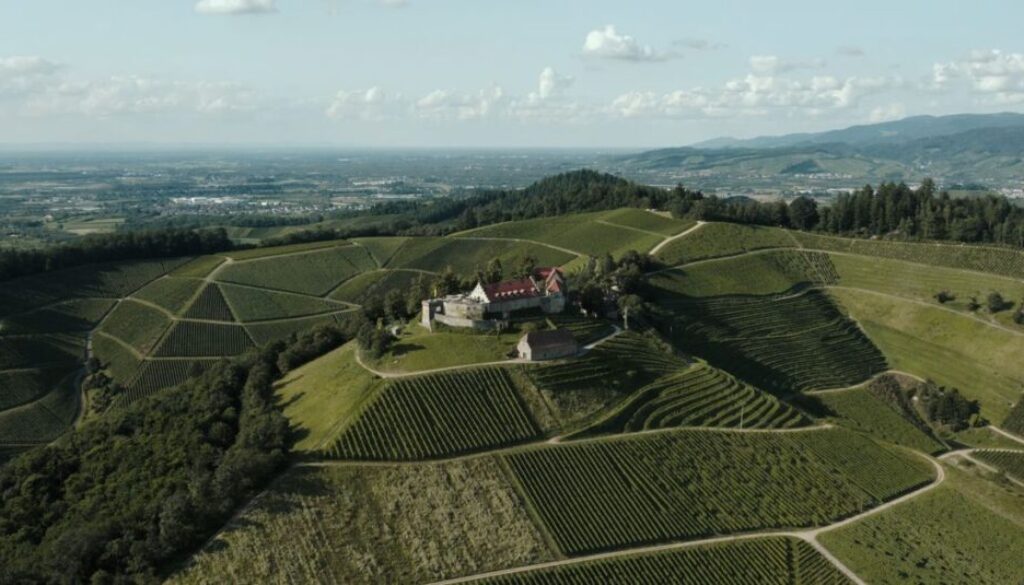
Today, in many cases, the landscape weighs as much as or more than wine reputation when travelers choose a wine-tourism destination. That is a useful clue to how the experience is changing: not just a winery visit, but a broader way of traveling, shaped by place, food, stories and a more direct relationship with the territory.
For years, wine tourism followed a fairly simple formula: an enthusiast, a winery, a tasting. That model has not disappeared, but it no longer describes everything that is happening in parts of Italy. Alongside visitors who travel with the specific goal of discovering a label or meeting a producer, another profile has become more visible: travelers who choose the destination first and only then add wine to the trip. In that case, the experience is less technical than contextual. It is a way of reading a place.
The distinction matters for anyone shaping the offer. If wine becomes one of the entry points to a trip, then the story cannot stop at the cellar door. It has to extend to paths, hospitality, food, villages and the practical question of access. In Italy, where a large share of summer travel still concentrates on the coast, this approach can help bring some visitors inland and give their stay greater economic and cultural depth.
Experiences that work, connections that remain fragile
The 2026 Cantine Aperte in Vendemmia programme, promoted by Movimento Turismo del Vino, fits neatly into this shift. The participating wineries offer immediate, easy-to-enjoy activities: grape picking, traditional pressing, must tastings, vineyard walks, lunches with producers and workshops designed with families in mind. It is wine tourism that relies less on technical explanation and more on direct contact with people and places. According to the report cited in the debate, 25% of visitors recorded over the past year were aged 18 to 30, a figure that suggests this format is also resonating with a younger audience looking for experiences that are tangible and easy to grasp.
A similar dynamic appears in cycle tourism, where wine sits inside an experience built around landscape and slow movement. Tuscany is the only Italian region included by Wine Enthusiast in its selection of the 9 best wine territories in the world for cycle tourism. The recognition is not just about wine quality, but about the territory’s ability to tie together white roads, medieval villages, vineyards and cellar stops into one coherent route. L’Eroica, founded in Gaiole in Chianti in 1997 and now an internationally exported brand, is one of the best-known examples of that connection between territory and slow mobility. Events such as Strade Bianche and Val d’Orcia Gravel follow a similar logic, helping extend the offer across the season.
Even so, the gap between strong local experiences and the overall structure of the offer is still visible. In many areas, difficulties remain in booking online, working around rigid timetables and reaching wineries without a car. Those who make it to the cellar are often highly satisfied, but the bigger issue comes earlier: how many people give up before they ever get there because information is fragmented or planning feels too complicated?
From a single address to a territorial product
The critical issue, as some voices in the sector argue, is not the quality of individual wineries. In many cases, hospitality has improved and become more thoughtful, more welcoming and more aware of what visitors want. The challenge lies in the links: between wineries and the surrounding territory, between producers and accommodation providers, between experiences and digital booking, between local promotion and broader visibility. A winery may deliver a strong visit, but if it remains isolated from the context around it, part of its value is lost.
That is why the Italian wine-tourism discussion still points to an unfinished step: moving from the single address to the territorial product. The heritage is there, and it is substantial; what is often missing is the ability to present it as a readable whole, easy to discover and simple to navigate. The risk, some observers argue, is that Italy remains mostly a collection of good winery visits rather than a fully structured tourism offer.
In a market where competition increasingly plays out between territorial ecosystems, that difference matters. And for now, the shift from vineyard to territory looks less like a slogan than the real open question.