The glass as a cue, the menu as a choice: how some bars shape anticipation
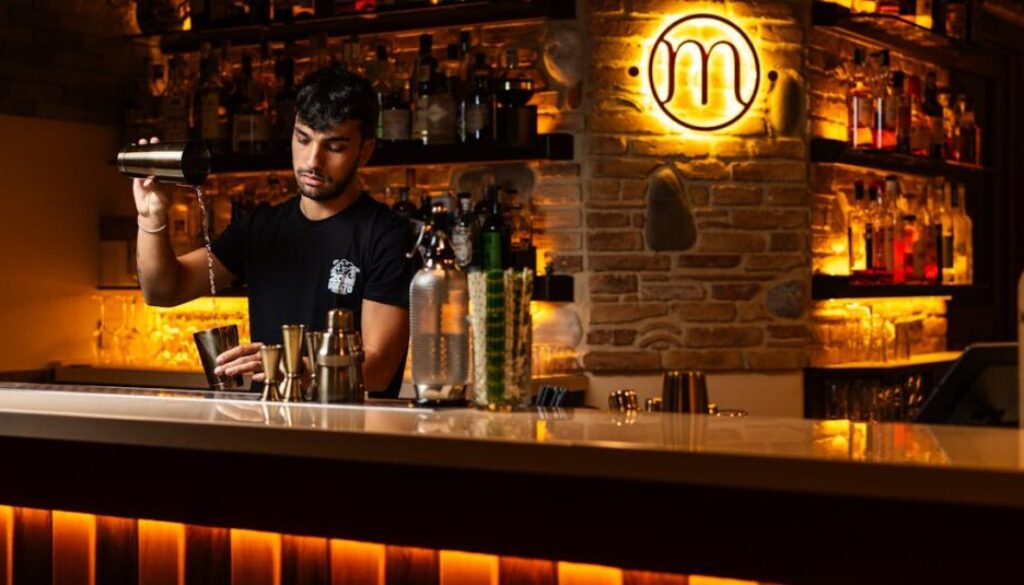
There is a precise moment when a bar reveals its identity: not when the drink arrives, but before. In the gap between walking in and taking the first sip, every detail helps shape the experience. The glass on the table, the way the menu is built, the lighting, the layout of the room: in more considered bars, none of it feels accidental.
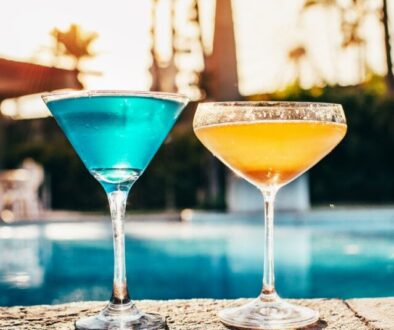
Glassware, in particular, is taking on a more considered role in some experience-led bars, alongside the traditional priority of durability. For years, its job was straightforward: survive washing, knocks, busy nights and fast service. That logic has not gone away, but it now sits beside a different one, closer to the language of the drink than to the idea of a neutral vessel.
Among the more visible directions are hand-blown crystal, more irregular forms and short-stemmed low bowls as alternatives to the classic rocks glass. This is not ornament for ornament’s sake. The choice of glass helps place the guest inside a specific setting: it suggests the level of care, the tone of the room and the kind of experience that is about to unfold.
In some venues, maintenance is part of that same language. Glassware that must be hand-washed also slows service and encourages more careful handling. Beyond practicality, it becomes a visible expression of hospitality, one that feels more deliberate and measured.
When the menu withholds the name
Papi, a bar in Bandra, Mumbai, has just opened and its menu uses numbers instead of cocktail names. The move shifts attention away from labels and toward ingredients, encouraging a more conversational kind of ordering in which curiosity matters as much as recognition.
All of Papi‘s cocktails are served on tap to ensure consistency in every pour. The menu moves across different registers, from savoury to herbal, tropical to spirit-forward. Ingredients such as herbs, citrus and ferments are shared between the bar and the kitchen, creating stronger coherence between the two areas. The venue describes itself as something between a late-night European bar and a house party that got wonderfully out of hand: a line that already says a great deal about the concept.
That is where the glass and the menu meet. In both cases, the point is not to explain everything, but to set the stage. Numbering rather than naming, choosing one vessel over another, adjusting the lighting, letting the room do some of the work: these are different gestures that contribute to the same overall impression.
The right glass does not chemically improve a cocktail, but it can influence how the drink is perceived and remembered. And in bars that build a more constructed experience, that matters as much as the recipe. Not because the glass changes the drink itself, but because it changes how the drink arrives.