Gen Z, mocktails and juice: signs of a more intentional way of drinking
Something has changed in the way younger consumers look at non-alcoholic drinks. It is not just about choosing alcohol-free options, or replacing what is missing with something else. In Germany, at least among younger drinkers, mocktails and juice seem to be finding a more independent place in the routine, shaped by taste and occasion rather than by abstention alone.
A survey by YouGov for the Verband der deutschen Fruchtsaft-Industrie, the German fruit juice industry association, points to growing interest among 16- to 26-year-olds. Mocktails no longer look like an occasional curiosity: a larger share of the young respondents say they now drink them regularly, while juice also appears to have a steadier role in everyday consumption.
The most interesting point is not simply that these drinks are being consumed more often. It is that mocktails and juice are increasingly being read as ingredients with their own logic. In this reading, a mocktail no longer answers only the question “what do I drink if I am not choosing alcohol?” but a more straightforward and contemporary one: what do I actually want to drink, and when?
From substitute to drink with its own identity
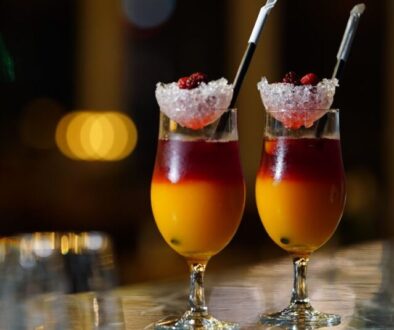
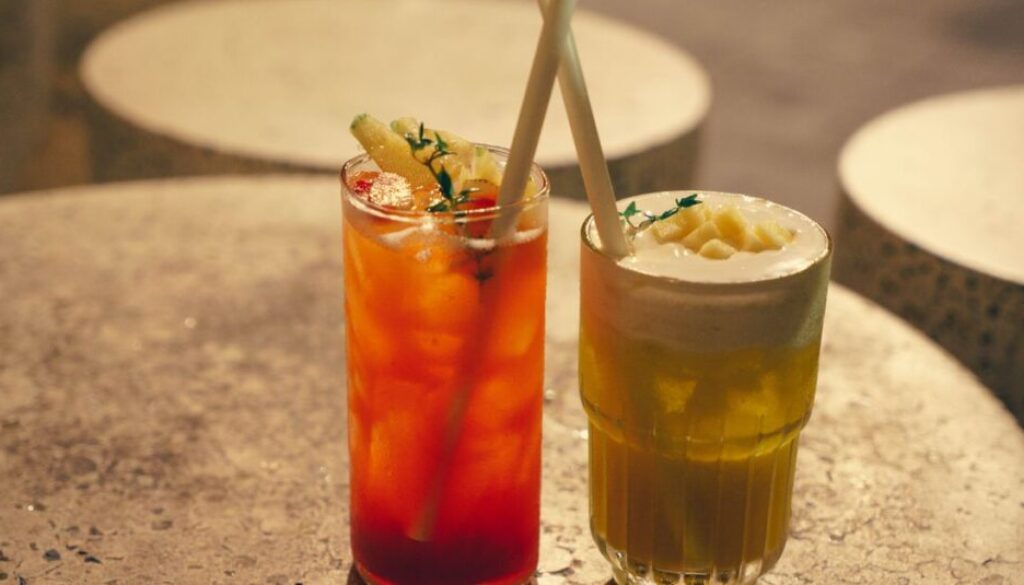
For anyone watching the category, that shift matters. A mocktail only works if it stands on its own, without relying too heavily on the idea of imitating an alcoholic cocktail. Taste, balance, visual appeal and the overall construction of the drink all matter. Fruit juice remains an important base, but it no longer carries the whole conversation by itself: it now sits alongside acidity, aromatic complexity and ingredients that echo the structure of the classic cocktail.
That is also why interest in alcohol-free spirit alternatives continues to grow as a base or structural element in mocktails. This does not define the whole non-alcoholic segment, but it does suggest a clear direction: the alcohol-free drink is increasingly being designed as a finished product rather than a simple substitute.
At the same time, reduced-calorie soft drinks continue to hold ground in the German market. Light and zero variants, especially in the soft drinks aisle, remain on a growth path and show that some consumers are looking for options that feel more aligned with their lifestyle. Once again, the point is not simply to remove something, but to find a formula that makes sense to the person choosing it.
Personalised hydration: a signal from sport
A different but related development comes from the world of functional sports hydration. The Gatorade Sports Science Institute, Gatorade‘s research centre, has presented findings from a study focused on female athletes. The picture that emerges suggests that many begin exercise already underhydrated and that sodium and electrolyte replacement during activity is not always adequate.
The most interesting part, editorially, is the variation between individuals. The differences among women in sport appear to be wider than general recommendations have historically taken into account. That points toward a more personalised approach, one that moves away from one-size-fits-all guidance and tries to reflect individual needs more accurately.
Gatorade is already developing digital tools designed to collect individual data and make hydration advice more personal. Here too, the key is not a single study in isolation, but the direction it points to: beverage functionality is increasingly being framed through personalisation, not just through brand positioning.
Taken together, these signals do not describe a revolution across the entire non-alcoholic category. They do suggest that, in certain segments and specific settings, alcohol-free drinks are gaining a less defensive and more purpose-driven identity. Mocktails, juice and sports hydration do not say the same thing, but they share a common thread: they matter less as absence and more as choice.