Energy drinks and zero sugar: the signals worth watching in non-alcoholic beverages
There is a fairly clear thread running through parts of the non-alcoholic beverage world: less sugar, more function, but without pushing products into supplement territory. It is not a uniform shift, and it does not describe the entire sector. It is better read as a set of signals coming from different categories, which together help explain where some parts of the market may be heading.
Function becomes part of the routine
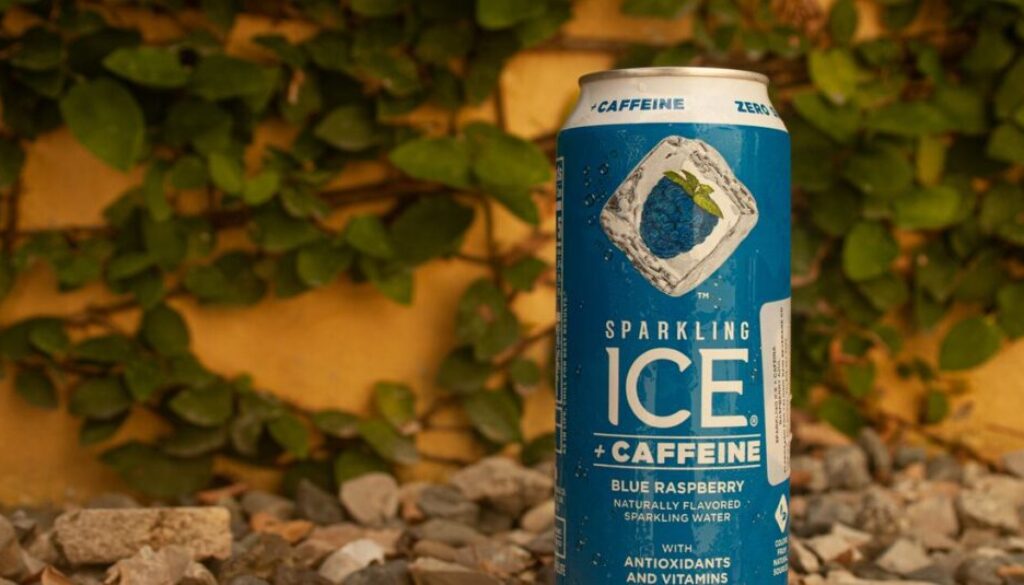
The ready-to-drink energy segment is no longer a niche tied to extreme sports and occasional consumption. Circana, the US consumer analytics company, says the category continues to grow strongly and remains among the beverage industry’s more dynamic areas. The consumer base has also broadened: alongside the young, performance-driven audience, there is now room for women, professionals and people looking for help with focus during the working day.
The shift is also visible in the way brands frame their products. Alani Nu, acquired by Celsius Holdings for about $1.8 billion, has built its growth on sugar-free formulas, social-first packaging and a positioning linked to everyday wellbeing rather than pure stimulation. In a different way, other energy drink offers are also adding functional cues or wellbeing references to their recipes, suggesting that function is increasingly treated as a baseline expectation in the category.
Format matters too. Energy shots — the small quick-consumption vials — are still on the market, but they seem to have lost ground to ready-to-drink cans, which many consumers perceive as more complete, better tasting and more in line with an active but not extreme lifestyle. It is not a disappearance, but a shift in relative weight within the category.
Less sugar, without changing identity
Pressure to cut calories is not coming only from the most visibly dynamic segments. In Germany, producers taking part in a voluntary initiative coordinated by Wirtschaftsvereinigung Alkoholfreie Getränke, the country’s non-alcoholic beverage industry association, have exceeded the calorie-reduction target set for 2015-2025. The result suggests that a significant part of the industry has been working in a coordinated way on reformulation and on introducing lower- and zero-calorie products, well before the regulatory debate became more urgent.
The point is not just technical. Once sugar reduction becomes part of product strategy, the language brands use starts to change as well: flavour is still essential, but function can no longer be treated as an optional extra. The two need to coexist, ideally without one undermining the other.
That is the space in which Jones Soda Co., the US craft soda brand, expanded its zero-sugar line in Canada by launching it at Western Canada club stores. The message is straightforward: less sugar should not mean less pleasure. The calorie-free version is not presented as a diet product, but as a fully recognisable craft soda with the same brand identity and the same emphasis on flavour.
Seen together, these cases do not describe a complete or uniform transformation of non-alcoholic beverages. They do, however, point to a direction that is hard to ignore: some categories are learning to speak a more layered language, in which flavour, function and sugar reduction are no longer in conflict but part of the same positioning. In these segments, consumers seem to want products that do one thing extra without losing their main identity.