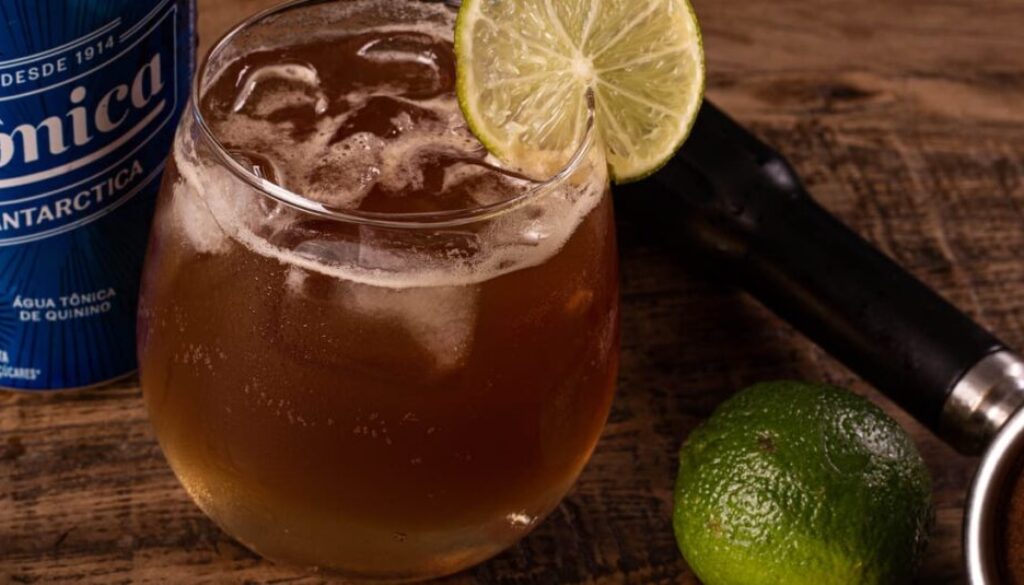
Cocktail cans, but not for convenience anymore
For years, ready-to-drink cocktails were associated mainly with convenience: products that were easy to distribute, often sweet, fizzy and not especially interesting from the point of view of the drink in the glass. Today, however, in some selected releases, the format seems to be moving in another direction: less shortcut, more attention to the structure of the cocktail and to the spirit behind it.
This does not mean reading the RTD segment as a single block or turning it into a story of a completed shift. Rather, several signals point to a premiumisation of the format, especially in North America, where young brands, distribution partnerships and established spirits groups are all looking for new consumption occasions.
The distillery in a can
One of the most interesting cases comes from Islay, in Scotland. Bruichladdich, a distillery known for a highly distinctive approach to its whiskies and gin, has brought its name into the RTD world in collaboration with Whitebox, a British brand founded by bartenders and specialised in classic canned cocktails. The range includes a Dry Martini with The Botanist Gin, a Whisky Sour with Classic Laddie, a White Negroni and a Penicillin with Port Charlotte.
The point is not only the list of drinks. Whitebox says it is highly selective in its collaborations and builds its products around a simple principle: a canned cocktail should preserve balance, structure and a clear aromatic identity. The Martini, for example, is designed to be served very cold; the alcohol level is high and clearly stated; the recipes avoid the simplified cocktail effect that has penalised the segment for years.
For Bruichladdich, this kind of operation allows its spirits to enter a broader context without giving up the character that makes them recognisable. The launch remains limited, however, suggesting that this is still a targeted test rather than a true industrial turning point.
Room for the format
The North American picture offers a second clue, this time on the distribution side. Here, the spirits-based RTD segment is already mature enough to attract acquisitions, minority stakes and commercial partnerships. Sazerac, the Louisville-based spirits group, has started an exclusive distribution partnership with SIPMARGS and taken a stake in the brand, a sparkling Margarita that has already built a certain traction on social media.
The logic is the one that often drives the growth of these products: the brand creates attention and desirability, while the industrial or distribution partner provides infrastructure, access and scale. It works especially when demand already exists, even if it is still fragile or limited.
This is where some of the most interesting moves are taking place. Not as proof of a general paradigm shift, but as a sign that the RTD format is finding new ground: less tied to the idea of an accessory drink, closer to the language of spirits and classic cocktails. Some consumers seem to be moving toward products that are more structured and easier to read in terms of taste and ritual, and premium producers are trying to intercept this transitional space.
In other words, the can is no longer only a symbol of convenience. In some cases, it becomes the way a producer chooses to present the quality of the product, not just the ease of service. Whether this trajectory becomes dominant or remains confined to a premium slice of the market is still uncertain. But it is enough to say that the format now deserves more attention than it received until recently.