Interview with Primo Franco: Prosecco between identity, territory and quality
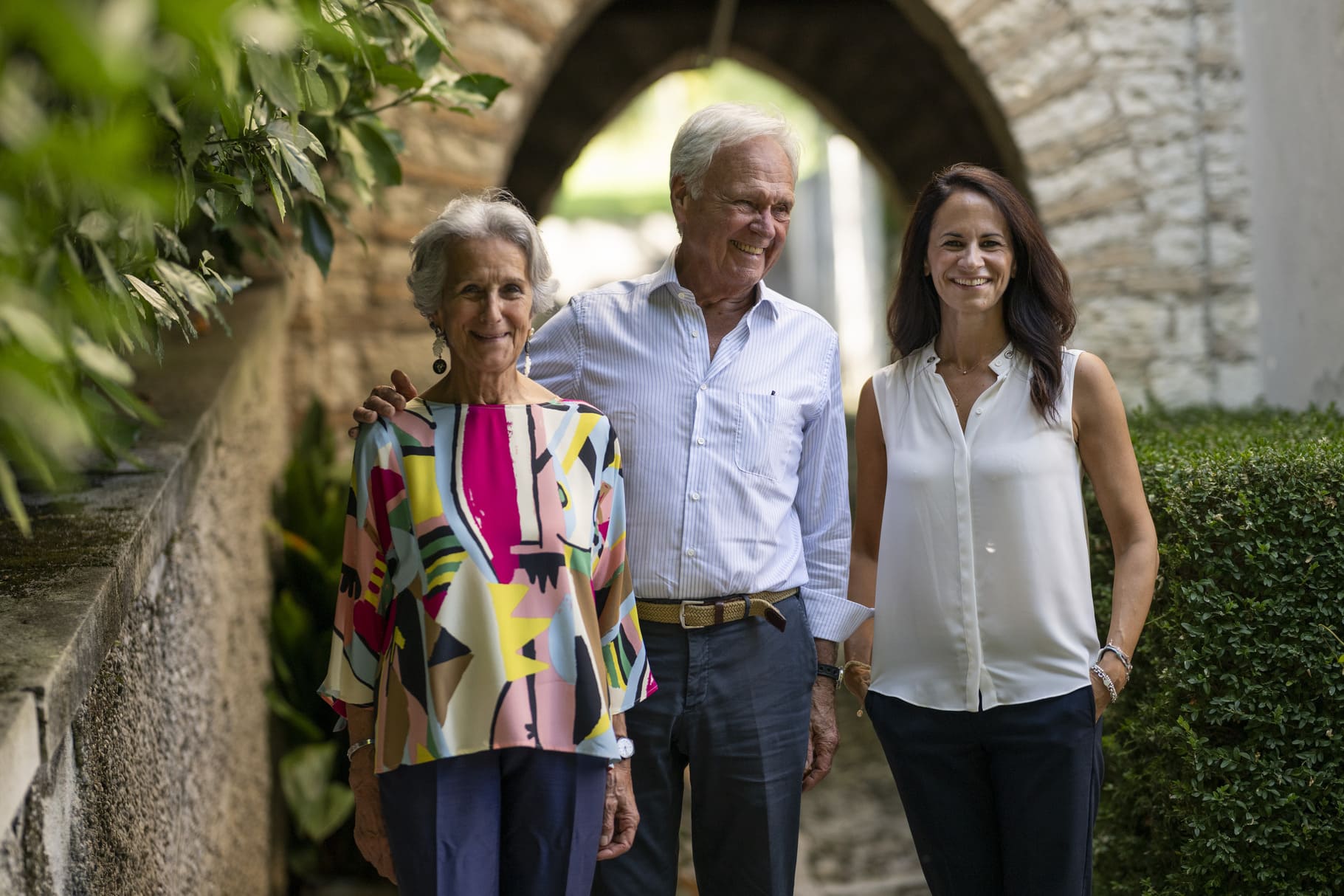
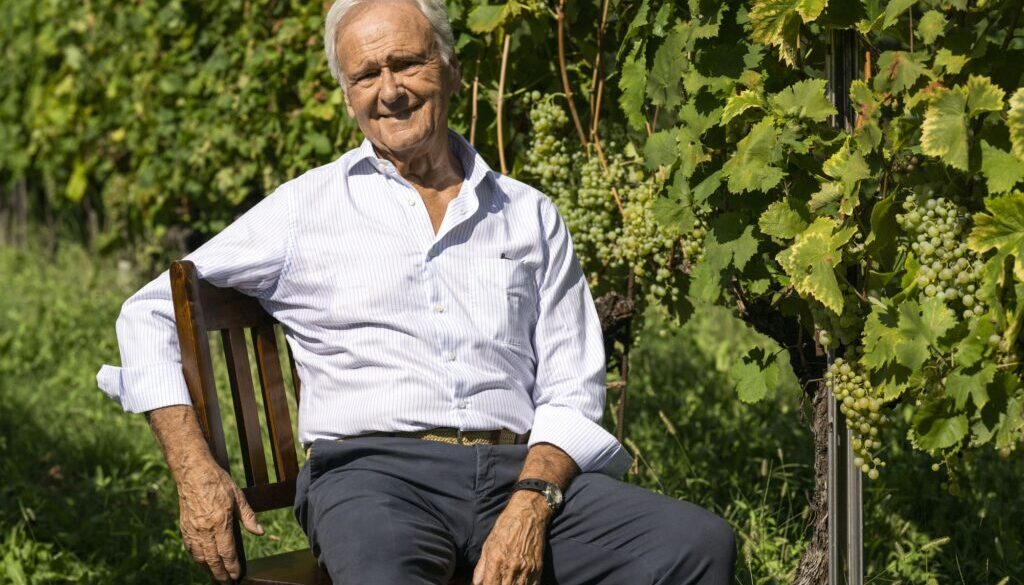
Primo Franco is one of Valdobbiadene’s most respected names: his family has led Nino Franco Spumanti since the postwar years, and much of the credit for turning Prosecco Superiore into an internationally recognised designation — the DOCG that today coexists with the far broader DOC — belongs to him. Back in the 1980s he was among the first to bet on a wine still nicknamed “Prosecchino”, steering it towards a dry, distinctive style signed by the producer: the Primo Franco cuvée, first made from the 1983 harvest, remains the symbol of that turning point.
In this interview for Beverella, Franco talks about how the way Prosecco is told and consumed has changed over the last twenty years, the difference between the Designation — a shared asset to be respected in its rules — and the Brand, which is instead a proprietary asset that guarantees the end consumer can tell the different quality levels apart, the soil differences between the Valdobbiadene hills and the Conegliano side, and what it means, today, to stay true to an idea of quality in a territory where the market would push in the opposite direction.
Nino Franco is one of Valdobbiadene’s historic names and played a central role in establishing Prosecco Superiore DOCG. How has the way Prosecco is told and perceived changed, in your view, over the last twenty years, in Italy and abroad?
For some time now, the Prosecco world has become a global phenomenon that has changed the perception and the occasions for drinking sparkling wine in general: we initially exported a Veneto lifestyle, and the logical consequence was that drinking sparkling wine went from a celebratory occasion to an everyday one. My belief today is that if the Designation — in this case the DOCG — is a shared asset that must be respected in the fullest sense of the word, in its rules and principles, then the difference is made by the value and credibility of the Brand, which is a proprietary asset and is what actually guarantees the end consumer can tell the different quality levels apart. So when you talk about your own work, it’s “first and last name” first, and the Designation second. We sell Nino Franco VC Prosecco Superiore DOCG.
Your philosophy has always put quality before quantity, in a territory where market demand could push in the opposite direction. What does staying true to this approach actually mean, in the vineyard and in the cellar?
Being consistent.
You work with grapes from different areas of the Valdobbiadene hills. Which differences — of exposure, soil, or specific zone — really affect the character of the wines, and how do they guide your choices in the cellar?
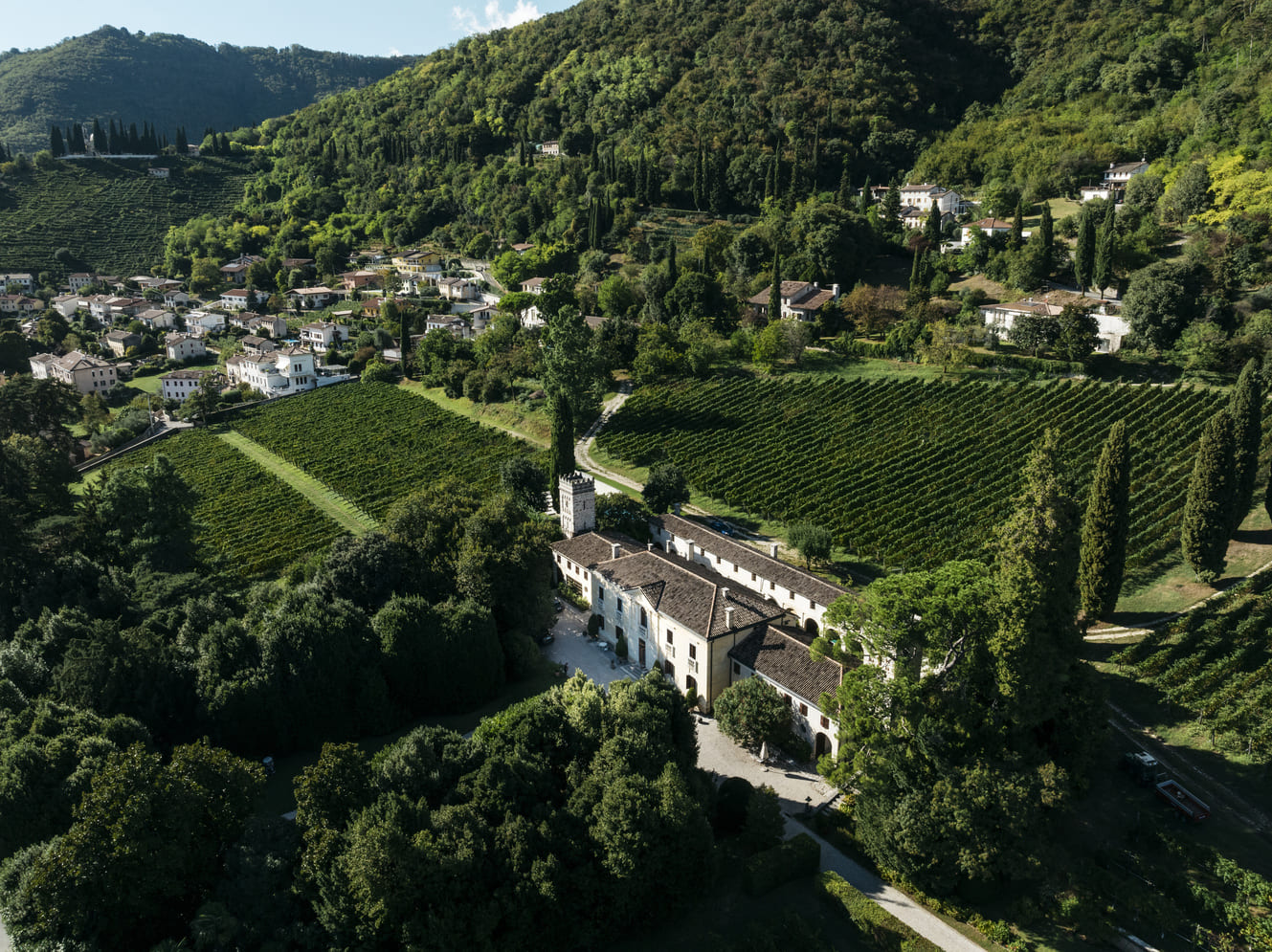
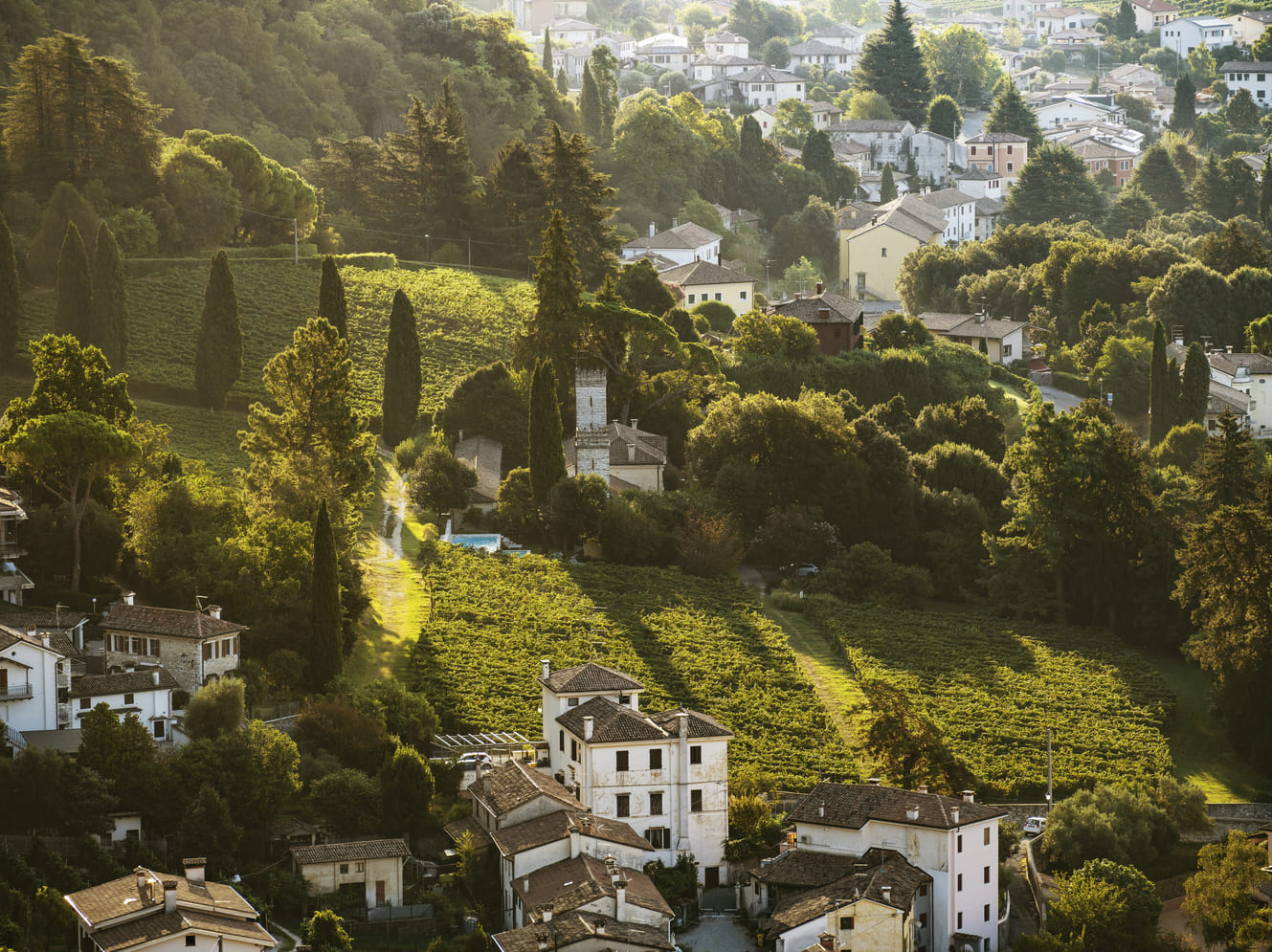
Historically, Valdobbiadene’s soils produce more elegant wines, while beyond the Soligo stream, on the Conegliano hills, the wines are slightly fuller-bodied and higher in alcohol. Making sparkling wine means having a deep understanding of the art of blending, so that in the end you get base wines in which you can recognise a style and a consistency that, over time, give value and recognisability to the hand of the winemaker and the winery.
With the Prosecco DOC designation expanding over such a large area, how do you approach the need to distinguish Superiore DOCG in the eyes of consumers, especially international ones?
The answer is in my previous comments, to which I’d add that the magic word is Prosecco: that’s what the world knows. If we wanted to change it, we would be doing an enormous favour to all those who produce both the appellations and the generic wines that accompany them, while damaging those who produce only the DOCG and export it to the world as Valdobbiadene Conegliano Prosecco Superiore DOCG.
If you had to pick one wine from Nino Franco’s history to tell the story of a turning point for the winery, which would you choose? What decision or change does it represent?
Our Prosecco Primo Franco — allow me the shorthand — first produced from the 1983 harvest, made thinking back to when Prosecco was still an end-of-meal wine, a demi-sec, now become Dry: using a plot from a larger vineyard, with the vintage on the label and signed by the producer. It was the message that there would be a new path in the winery’s philosophy.
Having led a decisive phase of growth for Nino Franco, what do you think must be passed on to the next generation without compromise, and what should instead be allowed to change?
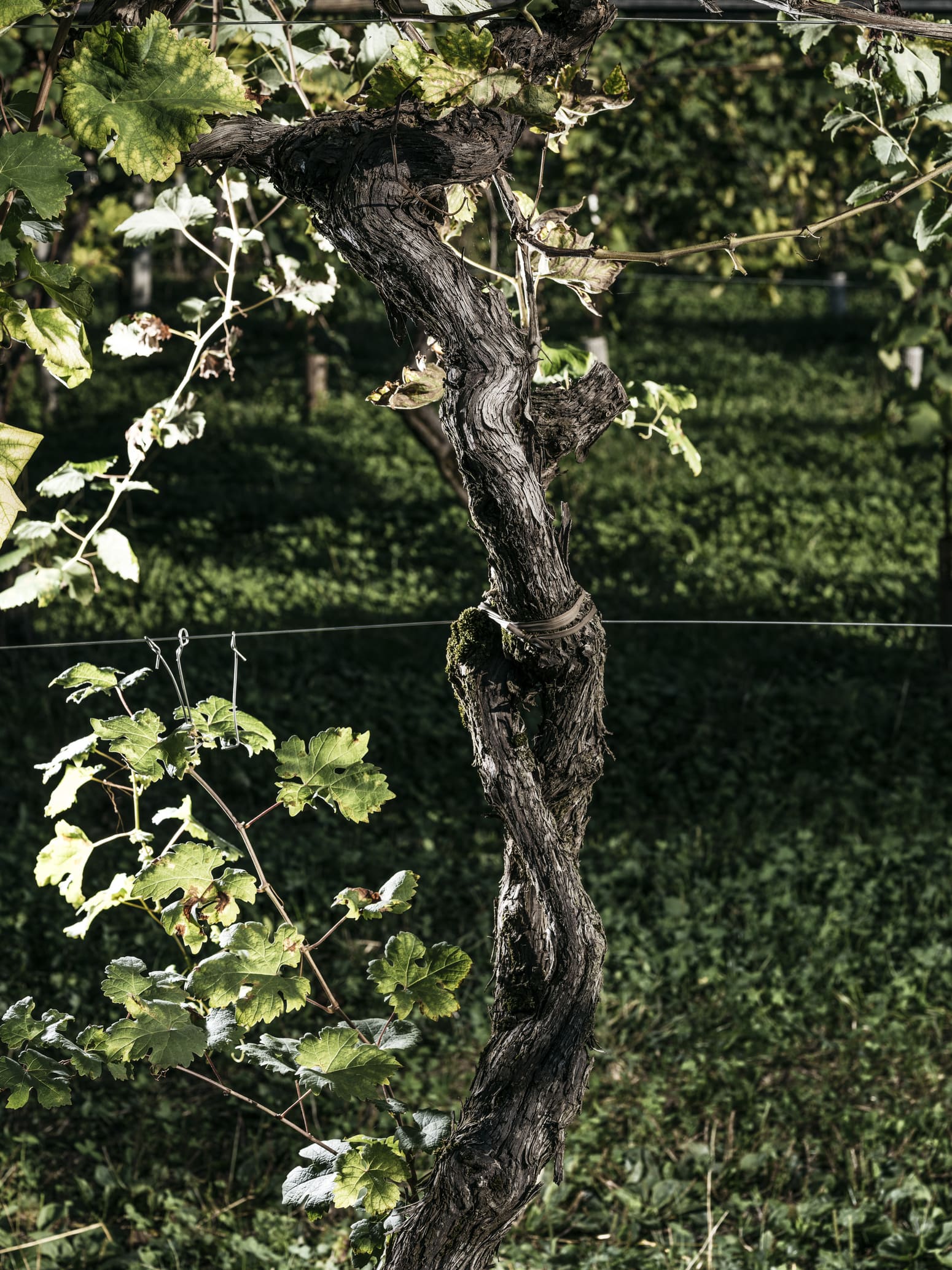
That money isn’t everything, and that the “Rive” — the steep vineyard plots that supported the wellbeing of their grandparents and parents, and that today, seen as hard work, are sometimes looked at differently — must be respected and kept fertile and productive.
-

- Credits: Arcangelo Piai
-
- Credits: Arcangelo Piai
-
- Credits: Arcangelo Piai