Mathilde Deniau: intuition, seasons and the art of pairing
Leaving a career in law to become a private chef was not a gradual adjustment for Mathilde Deniau, but a complete change of direction. She chose to step away from a profession with a clearly defined path and build a new one around cooking, creativity and direct contact with the people she cooks for. Today, based in Paris, she works across private events, culinary residencies and temporary projects, creating menus shaped by seasonality, place and the specific context of each experience.
Her cooking is intuitive and personal, guided by curiosity rather than fixed formulas. She is drawn to sweet-and-savoury contrasts, floral notes, unexpected combinations and ingredients capable of changing the direction of a dish. France remains central to her work, but Italy is a constant presence too, through her family roots in Venice and the time she regularly spends in the country.
For Beverella, we wanted to explore an essential part of the experiences she creates: the relationship between food and beverages. In this interview, Mathilde talks about the decision to leave law, the process of developing her own culinary language and the role that wine, cocktails and pairings play when she builds a menu. For her, drinks are not an addition to consider once the dishes are finished, but part of the experience from the beginning.
You left a career in law to become a private chef. What led you to make that change, and what did you discover about yourself during the transition?
I left the legal profession because, quite honestly, I had had enough of working in law firms. At the same time, I had always been passionate about cooking. I was already regularly hosting dinners for 20 people at home, so hospitality and bringing people together around a table were already a big part of my life.
Becoming a private chef had been somewhere in the back of my mind for a long time, but I never really dared to take the leap. Then, one day, I simply reached a point where I had had enough and decided to give myself a chance. Almost at the same time, I was given an opportunity, and I decided to go for it.
During that transition, I discovered that I was capable of much more than I had imagined. It takes courage, hard work and resilience, because being a chef is not an easy profession. But I also discovered that I could achieve the goals I set for myself, and that I could be proud of myself — especially of the determination and tenacity with which I embarked on this new path.
You describe your cooking as intuitive, seasonal and open to unexpected combinations. How does an idea for a dish usually begin, and how do the places and ingredients around you influence it?
I usually start by looking at what surrounds me. I pay attention to the landscape, the season, the flowers, the herbs and the ingredients that are naturally available. When I was in Auvergne, for example, I was surrounded by fir trees, so it felt natural to bring them into my cooking, perhaps by infusing them into a cream.
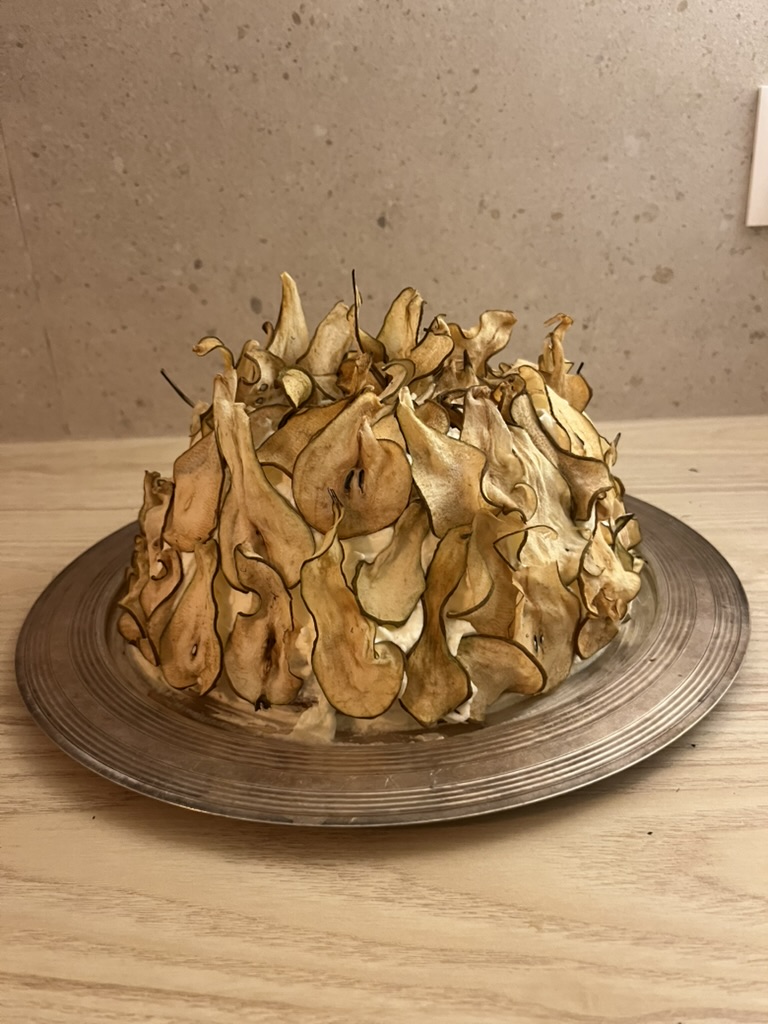
I think nature has so much to offer, and I like creating a connection between a place and the food I prepare there. I also love unexpected combinations, particularly sweet and savoury ones. If it is squash season, for example, I might think about adding dried apricot or orange, and then take the ingredient somewhere unexpected — perhaps even turning a vegetable into a dessert.
I usually begin with what I feel like eating and what I have around me, and then I create from there. I like the element of surprise.
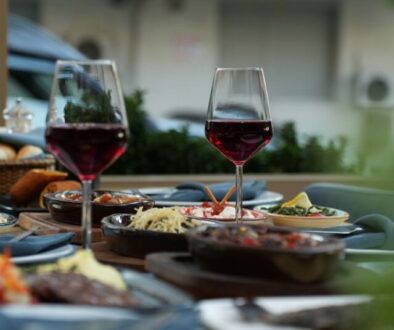
What role do beverages play when you create a menu? Do you think about wine, cocktails or other pairings from the beginning, or only once the dishes have taken shape?
I place a great deal of importance on beverages, both alcoholic and non-alcoholic. I usually think about them once the dishes have taken shape, as this feels the most natural way for me to create.
Whether it is wine, a cocktail or a non-alcoholic drink, I believe it should bring something to the experience — flavour, pleasure or simply a convivial moment. Even a simple syrup can transform a tasting and add another dimension to a menu.
You mentioned that you also love cocktails. What makes a cocktail pairing work with food, and how does it differ from pairing a dish with wine?
I think a good cocktail pairing works when the drink brings something different to the dish without overpowering it. Cocktails offer a lot of freedom because you can play with acidity, bitterness, sweetness, texture and aromatics in a much more creative way.
Wine can be more about complementing or enhancing the flavours already present in a dish, whereas a cocktail can sometimes create a completely different contrast or dimension. I like the idea of the drink surprising you while still making sense with the food.
The key, for me, is balance. Whether it is wine or a cocktail, the pairing should make the overall experience more interesting and bring something extra to the dish.
As a private chef working across events and residences, how do you adapt the food and beverage experience to different guests, locations and occasions?
I always start by asking my guests if they have any particular preferences, dislikes or cravings. From there, I try to find a balance between offering things that will appeal to a wide range of people and introducing more original or unexpected ideas.
The same applies to beverages. If a client does not enjoy natural wine, I will focus on more classic wines — while some clients only drink natural wine. When it comes to cocktails, unless guests have specific requests, I tend to work with spirits that I personally enjoy, such as gin.
I believe we often create our best proposals when we start from our own tastes and passions, while still adapting them carefully to the people we are cooking for.
You are based in Paris, often travel to Italy and have family roots in Venice. How have French and Italian food and drinking cultures influenced your personal approach to cooking and pairings?
French and Italian food and wine have probably influenced me the most, along with Japanese cuisine. If there are two countries that never disappoint me, it is France and Italy.
From Italy, I look for comfort, tradition and generosity — flavours that feel warm, familiar and sometimes quite powerful. From French cuisine, I am drawn to refinement, carefully crafted sauces and more conceptual or unexpected combinations.
When I do residencies, I often like to include Italian dishes, such as gnudi or vitello tonnato, while adding my own personal touch. I like to feel that Italy is still somehow present. I also cook a lot with lemons. I once brought back around ten lemons from Procida that I had picked by hand, and using them is a way of keeping a little bit of Italy close to me. The same goes for Calabrian chilli oil.
In a way, I bring Italy into my French cooking. I think part of it is simply because I miss Italy — and I am always looking forward to going back.