Liquors and lightness: how the idea of drinking is changing
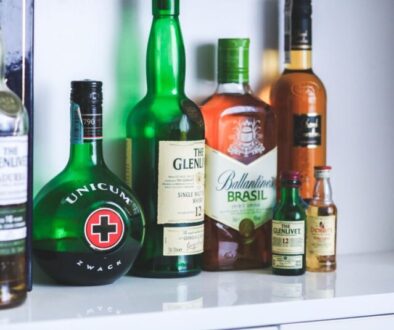
There is a noticeable shift in the way people approach liqueurs, and it is about more than sales or new product launches. What is changing is the expectation around the glass itself: what people are looking for, when they choose it, and what kind of pleasure they expect from it. Between at-home drinking and the evolution of mixology, the category seems to be moving towards a different promise: less volume, more intention. Less habit, more choice.
The aperitivo ritual moves indoors
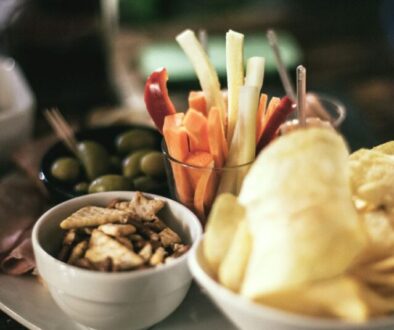
In Italy, aperitivo remains a strong habit, but its shape is changing. A NielsenIQ study presented at Milan’s Aperitivo Festival shows that more than eight million Italians now prepare aperitivo at home, suggesting a ritual that is not fading but being redistributed between bars, living rooms and dining tables. Out-of-home drinking still matters, but it has become more selective: people go out less often and choose more carefully.
Within that setting, attention is growing around drinks and products perceived as more carefully made, while consumers show stronger interest in offerings with a clearer identity. In that context, liqueurs, amari, bitters and vermouth are no longer just back-bar staples or mixing bases; they are becoming products that help define the character of the occasion.
There is also growing demand for no- and low-alcohol options, especially among younger drinkers. Rather than rejecting the ritual, this suggests a different way of taking part in it: staying within the social moment, but with more flexibility around alcohol. The ritual remains; the ingredient changes.
Between authenticity and new forms of experience
The market response is taking shape along two lines. On one side are alcohol-free products that do not try to mimic a classic drink too literally, but instead preserve its sensory profile: citrus bitterness, herbal freshness, the aromatic depth that makes an aperitivo worth returning to. On the other side is the premium segment, where provenance, raw materials and product story are becoming increasingly important.
A useful example comes from Japan, where Choya, a producer known for umeshu, the traditional Japanese plum liqueur, is working to strengthen the product’s cultural and sensory value through identity, premiumisation and a more developed consumption experience. Aged expressions, bottles containing whole fruit, and bar experiences in Tokyo, Hong Kong and Singapore all point in the same direction: turning consumption into something more narrative, tied to origin and product character.
The bar as a place where taste is taught
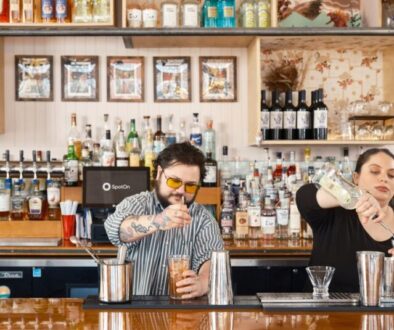
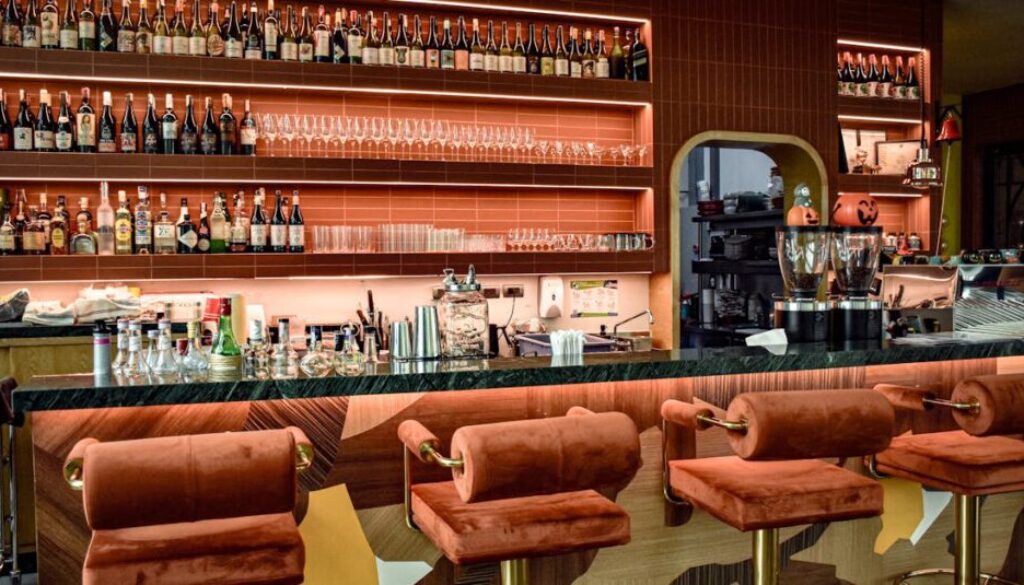
Another important shift concerns the relationship between liqueurs and cocktail culture. For a long time, many of these products were consumed almost exclusively neat or in fixed, traditional combinations. Today bartenders increasingly treat them as building blocks: tools for adding structure, depth and a more precise signature to a drink.
That change does not stay behind the bar. Many people who discover a well-made drink in a cocktail bar later try to recreate that style at home, and retail responds with more considered references and formats designed for domestic use. A productive loop emerges: the bar introduces, the consumer takes it home, and the market adapts.
That is one reason liqueurs feel more central now. Not only as drinks to sip, but as a way of reading contemporary taste, which is increasingly focused on aroma, context and the quality of the experience. In a sector that has often lived in the shadow of larger spirits categories, that shift in attention may matter almost as much as a sales uptick.